A hidden leak spreads every hour it runs, turning a small fix into water damage, mold work, and wasted water. For most Salt Lake City homeowners, the real cost comparison is not detection against nothing, but detection now against the much larger bill that delay tends to create.
Because acoustic, thermal, and pressure tools narrow a leak to a precise point, the plumber opens only what is needed. Accurate leak detection is a big reason the repair so often turns out smaller than a Salt Lake City homeowner feared when the damp spot first appeared.
Utah's very hard water wears at pipe walls and joints over time, which is a leading cause of pinhole leaks in older homes. A water softener reduces that mineral stress, lowering the long-term odds that a Salt Lake City household will need leak detection and repair in the first place.
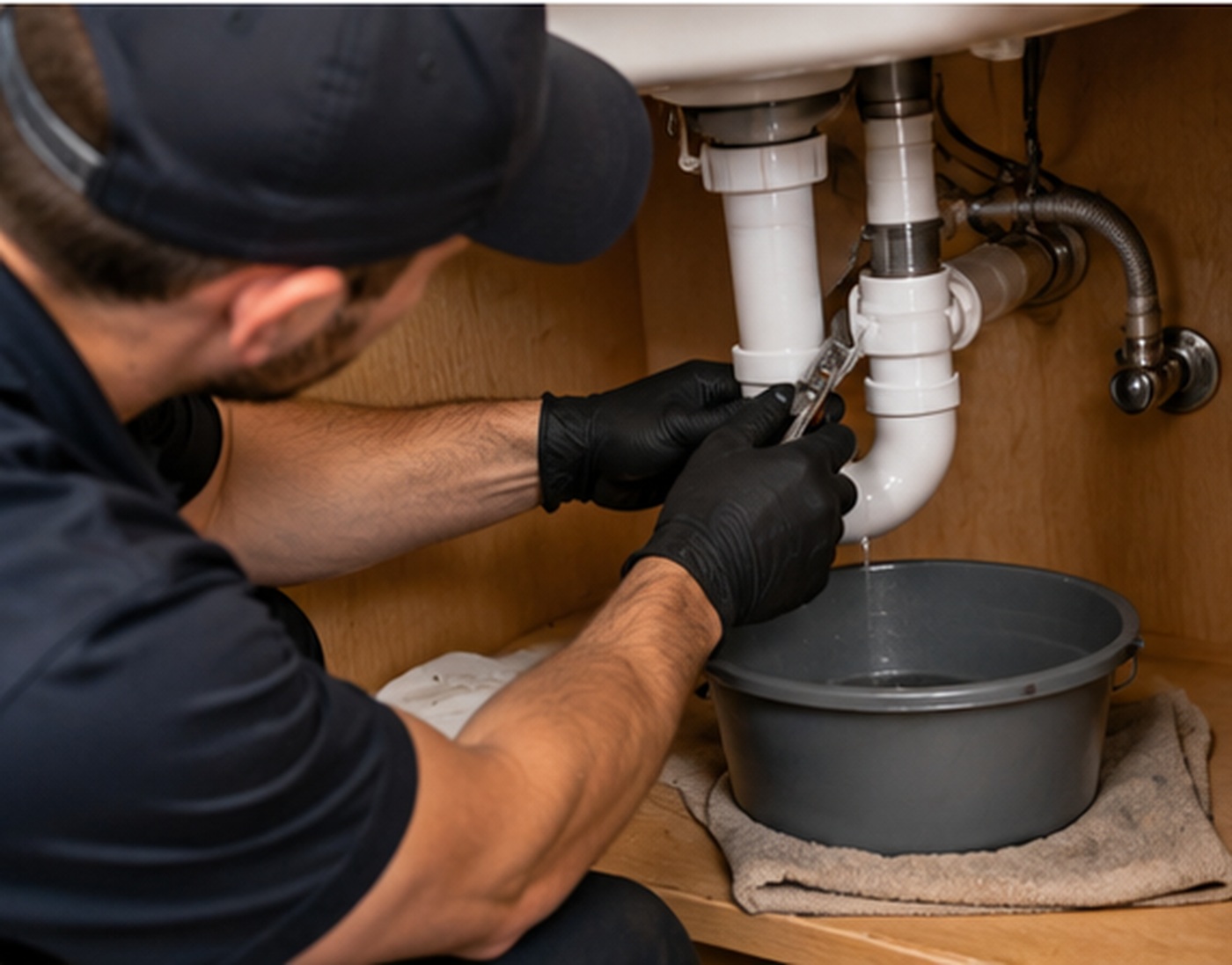
It is worth saying clearly: locating a leak and repairing it are distinct tasks. Leak detection is the diagnostic work of pinpointing where water is escaping, using acoustic, thermal, and pressure tools. Repair is the physical fix once the source is known. A company may roll both into one visit, but the estimate should reflect two parts, because a simple joint repair and a slab-leak repair cost very different amounts even when the detection was identical. For Salt Lake City homeowners, knowing this split makes an estimate far easier to read and a lot harder to pad.

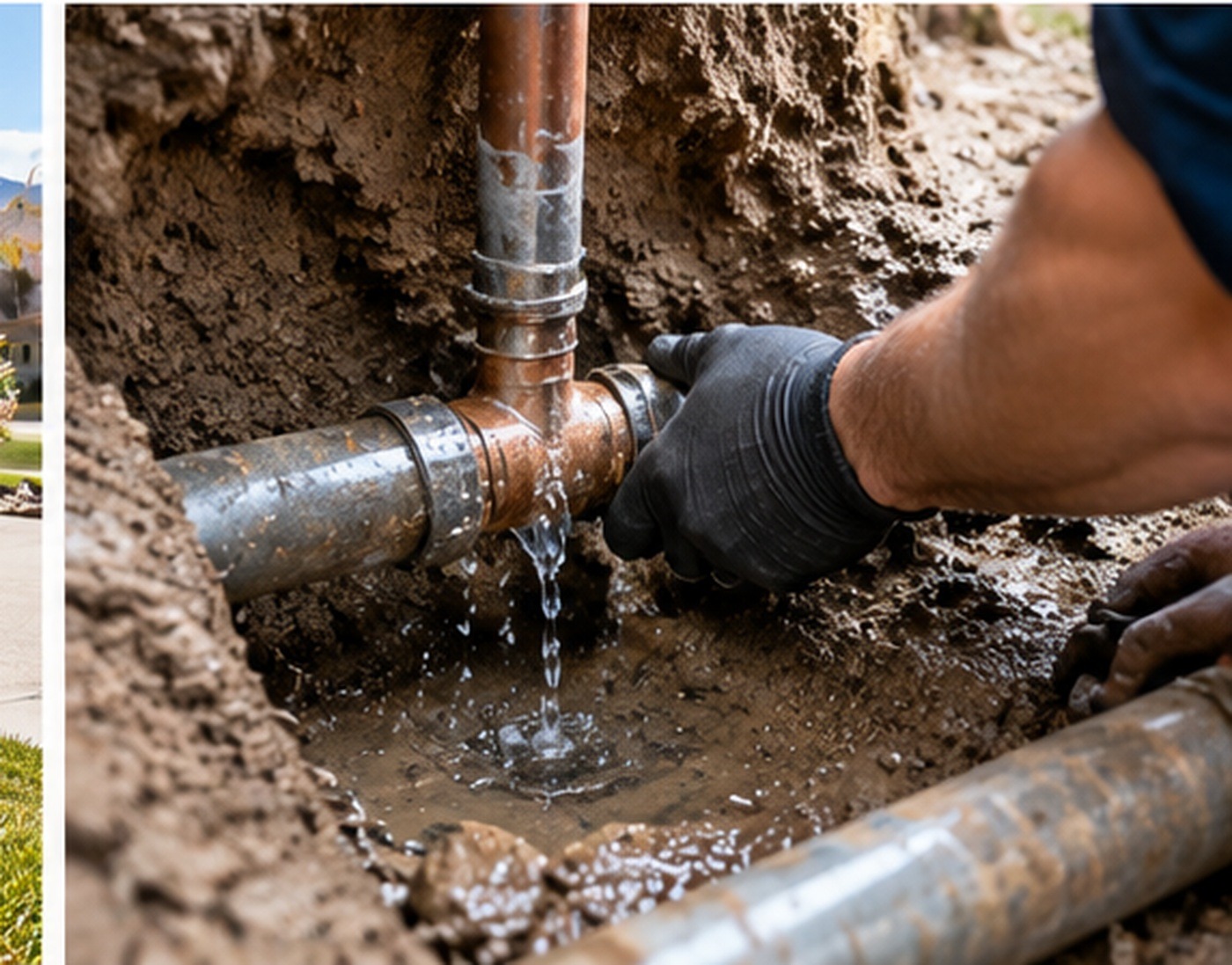
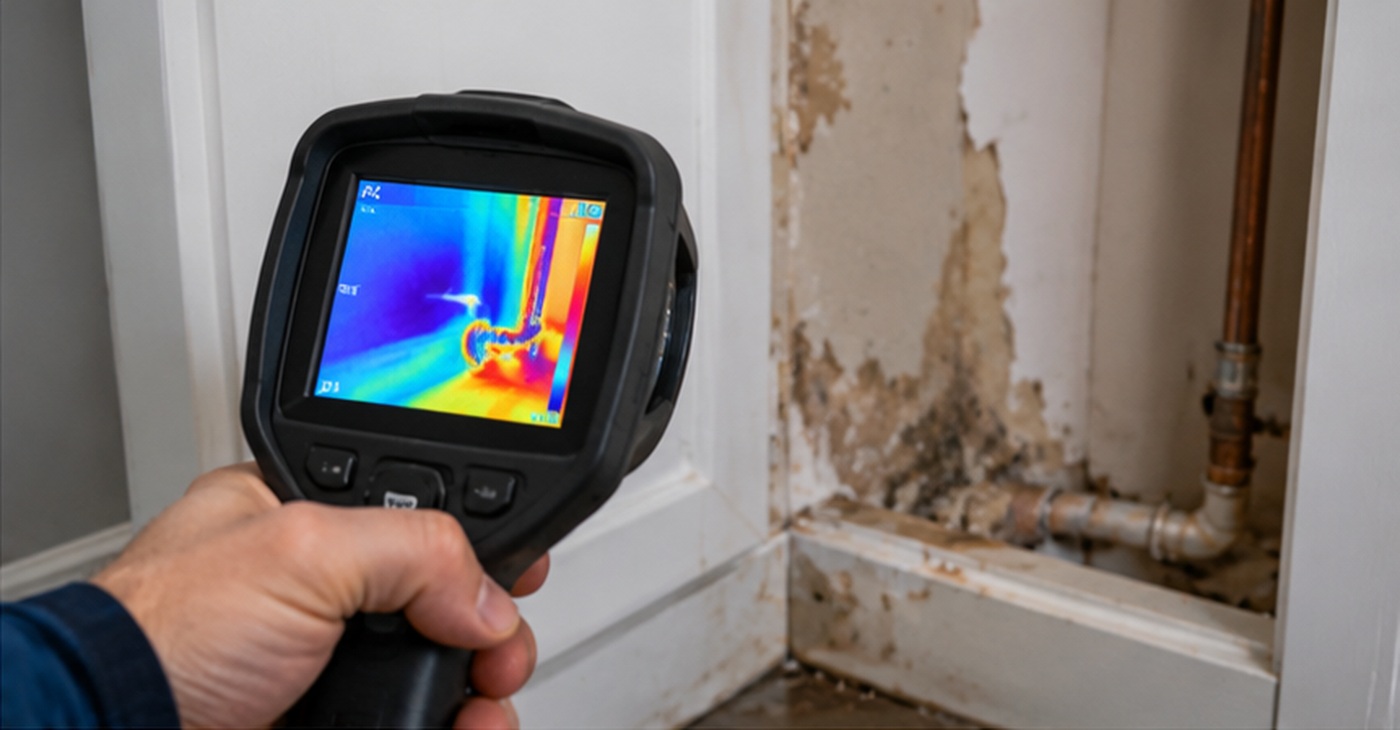
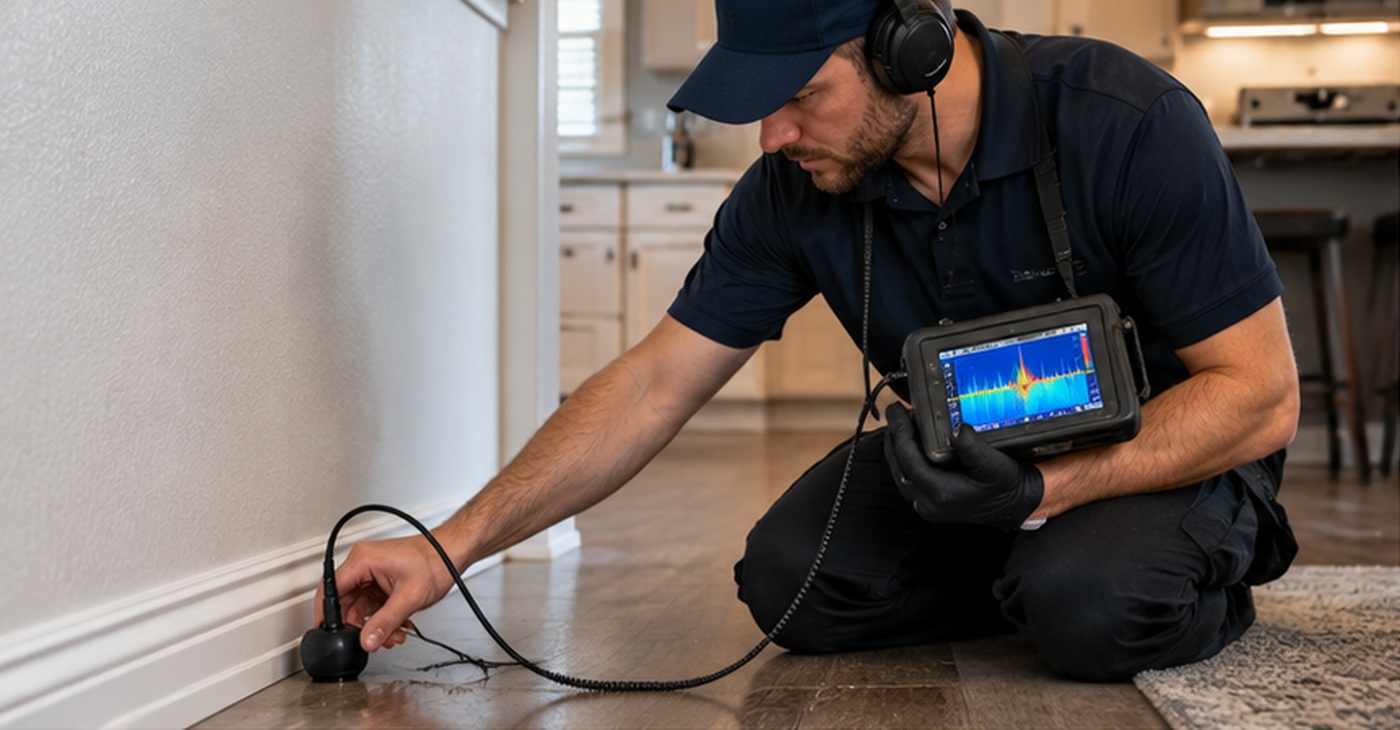
The price of leak detection depends mostly on how hard the leak is to find. A leak at an accessible joint under a sink is quick to confirm. A slab leak beneath a finished floor, or a supply line buried in the yard, takes more time and more tools, acoustic listening, thermal imaging, and pressure isolation working together. Access, the number of possible sources, and the materials the water has to travel through all add time. This is why no careful plumber quotes detection blind, and why a short diagnostic visit leading to a free written estimate is the fair way to start.
Once the leak is found, repair cost turns on location and extent. A leak reached through a crawl space or an accessible wall is a smaller job than one under a concrete slab, which may require opening and restoring flooring. The amount of pipe involved matters, since replacing a corroded section costs more than resealing a joint. The pipe material, the finishes that must be restored, and whether the fix is a patch or a larger repipe all move the number. Because good leak detection narrows the problem to a precise point, the repair is usually smaller than a homeowner fears, which is part of the value of finding it accurately first.
Any honest discussion of cost has to include the price of doing nothing. A hidden leak does not hold steady; it spreads into framing and drywall, feeds mold, and keeps the water meter running every hour it goes unfixed. A leak that would have been a small repair in one month becomes water damage, mold remediation, and sometimes structural work a few months later, plus every gallon wasted in between. For Salt Lake City homeowners weighing whether to call, the real comparison is not detection cost against zero; it is detection cost against the far larger bill that waiting tends to produce.
Be wary of any company that quotes a firm price for finding or fixing a leak before seeing it. The honest ones cannot, because the job depends entirely on where the leak is and what it takes to reach. A reputable shop offers a free written estimate after a diagnostic look, names the method and the reason, and explains what is included. A quote that jumps sharply once the plumber is on site without a clear new finding, or pressure to approve a large repipe before detection has confirmed the need, are both signs to pause. A written estimate you can read and keep is the mark of a fair company such as Western Heating, Air & Plumbing.


A few questions keep an estimate honest. Ask whether detection and repair are quoted separately and what each covers. Ask what tools the plumber will use to find the leak and why. Ask whether the repair estimate is written and whether the work carries a warranty. Ask what happens if the first suspected source turns out to be wrong. A straightforward Salt Lake City plumber answers all of these without hesitation, because a good company has nothing to hide in its pricing. Vague answers or pressure to decide on the spot are the cue to get a second opinion before committing.
The lowest quote is not always the best outcome. Cheap, imprecise detection that guesses at the source can lead to an opened wall in the wrong place and a second visit, which costs more than accurate detection would have. Value in leak detection means finding the exact point the first time, repairing only what is needed, and backing the work. For Salt Lake City homes, where hard water and slab foundations make leaks a recurring risk, paying for precision usually comes out ahead of paying twice for guesswork. Weigh the estimate on accuracy and warranty, not on the headline number alone.
Homeowners can lower both the odds of a leak and its eventual cost. Check the water meter periodically with everything off, and watch the bill for unexplained jumps, since early detection is always cheaper than late. Know where the main shutoff is so a sudden leak can be stopped fast. Inspect under sinks and around the water heater for damp or corrosion. For homes on very hard Utah water, a softener reduces the mineral stress that wears pipes thin and causes pinhole leaks. None of this replaces professional leak detection, but it shrinks the window a leak has to do damage, which is where most of the cost comes from.
Homeowners understandably want a figure before they call, even though the real one comes after a look. A useful way to budget is to think in tiers. A leak at an accessible joint or valve is the smallest kind of job. A leak inside a wall that needs some finish repair sits in the middle. A slab leak under a finished floor is the largest, because reaching it and restoring the floor add work on top of the plumbing itself.
Placing a leak into one of these tiers from its symptoms gives a Salt Lake City homeowner a rough sense of scale before the plumber arrives, which makes the written estimate easier to judge. It also frames the real decision, since even the largest tier is almost always cheaper than the water damage, mold, and structural harm that follow from leaving a leak to run. Prompt leak detection keeps a problem in the lowest tier it can occupy.
A larger repair does not always have to be paid all at once. Many established plumbing companies offer financing through a lending partner, with fixed monthly payments that let a household spread the cost of a slab-leak repair or a repipe over time. For an unexpected failure, this can be the difference between fixing the problem now and letting it worsen while money is saved, which usually costs more in the end.
When weighing a financing offer, read the terms the way you would any loan: the rate, the length, and the total paid over time. A reputable Salt Lake City company presents these options plainly and never pressures a homeowner into one. Used wisely, financing turns a sudden, large leak repair into a manageable payment, so the fix happens on time and the home is protected while the cost is paid down.

There is a temptation to choose the cheapest possible repair, but with leaks the durable fix is usually the better value. Patching a corroded section of pipe that is failing in several places may hold for a month before the next pinhole opens, so a homeowner who keeps patching an old line can spend more than one who replaces the run once. A plumber should say honestly when a pipe is near the end of its life.
For older Salt Lake City homes with original plumbing worn thin by hard water, a targeted repipe of a failing section can end a cycle of repeat leaks that would otherwise continue for years. The leak detection that locates each failure also builds the case: when the same line keeps giving way, the evidence points toward replacement. Spending a little more once often beats spending a little many times.
On a large repair, a second opinion is reasonable and a good company will not resent one. If a plumber recommends a major repipe or a costly slab repair, having another licensed Utah plumber review the findings confirms the diagnosis and the price. The detection evidence, the acoustic and thermal readings and any camera footage, travels with the homeowner and lets a second professional weigh in without starting over.
A second opinion is most worthwhile when the numbers are large or the recommendation feels rushed. For routine leak detection and a small repair, it rarely pays to delay. For a major job, the short wait protects a Salt Lake City homeowner from overpaying and confirms that the recommended work is truly needed, which is worth the modest time it takes to arrange.
When homeowners tally the cost of a leak, they often count only the plumber's bill and miss the rest. Months of wasted water inflate the utility bill well before the leak is found. Damaged drywall, flooring, and paint carry their own repair cost. If mold has taken hold, remediation is a separate and often larger expense. Counting all of these shows why the detection fee is usually the smallest number in the whole episode.
Seen this way, prompt leak detection is less an expense than a way to cap the total. Every week a leak runs adds to the water waste and the spreading damage, so the cost of waiting climbs steadily while the cost of acting stays flat. For a Salt Lake City homeowner, the cheapest version of a leak is almost always the one found and fixed soonest, which reframes the whole question of what leak work really costs.
Cost is always specific to the leak, but the pattern holds everywhere: finding and fixing a leak soon is cheaper than living with one. A fair company quotes finding and fixing separately, explains the options, and backs its work. Western Heating, Air and Plumbing has served Salt Lake Valley homeowners since 1995 with upfront pricing, financing when a repair is large, and around-the-clock availability. When a leak turns up and you want a clear plan rather than a scary guess, a call to (385) 644-6985 brings a licensed technician who will locate the problem precisely and lay out the repair before any work starts.
Leak detection and repair cost what they cost for a reason, and the reason is always the specific leak. The fair path is a diagnostic look, a free written estimate split into finding and fixing, and a plain explanation of the options. Set against the spreading damage and wasted water that waiting brings, prompt action is usually the cheaper choice. Western Heating, Air & Plumbing serves Salt Lake City and the valley around the clock with upfront quotes, locating a hidden leak precisely and repairing it with the least disruption, so a homeowner knows the plan and the price before the work begins.
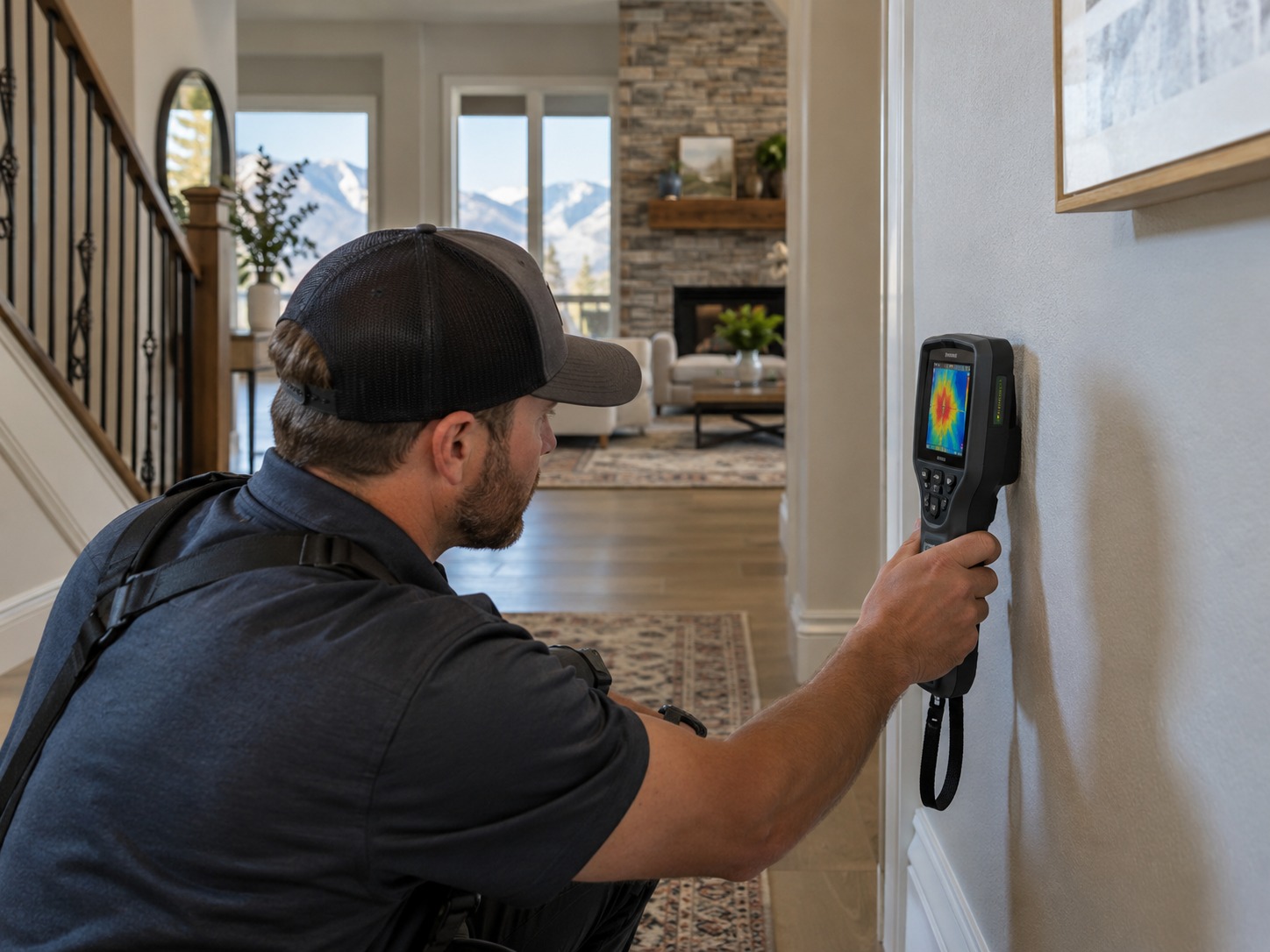
No. Professional leak detection is designed to locate the leak without tearing the home apart. Acoustic listening, thermal imaging, and pressure testing pinpoint the source first, so the repair opens only the spot where the leak actually is rather than exploring walls, floors, or the yard hopefully. That precision protects the home and lowers the repair cost.
Cost depends on the leak's location and how much work the detection requires, so a firm number comes after the technician sees the situation rather than over the phone. Western presents upfront written pricing before any work begins, so you approve the cost in advance. Finding the leak early almost always costs far less than the water damage a hidden leak causes.