Why Escondido Homeowners Are Investing in Attic Rodent Proofing
Escondido sits in a part of San Diego County where rodent pressure runs higher than most homeowners expect, and more of them are choosing to seal their homes rather than trap on repeat. The city's inland North County setting, its hot summers, and its mix of established neighborhoods and rural-adjacent land create ideal conditions for roof rats and their burrowing cousins. Escondido rodent proofing has become a practical investment because it addresses the cause, the openings in the house, rather than the symptom that keeps coming back.
Escondido's landscape is part of the story. The area's avocado and citrus groves and mature trees give roof rats (Rattus rattus) a steady food supply and travel routes, and the surrounding open space and creek corridors keep rodent numbers high on the city's edges. North County inland neighborhoods also see burrowing rats along foundations more often than the coast does. Add the hot summers that drive rodents toward the cooler shelter of attics and crawl spaces, and homes across the 92025, 92026, 92027, and 92029 zip codes face pressure from more than one direction. That is why Escondido rodent proofing has moved from an afterthought to a planned home improvement for many owners.
The Sound in the Ceiling Most Escondido Homeowners Ignore Too Long
It usually starts small. A faint scratching above the bedroom late at night, a scuffle in the wall that stops when you knock, a stray dropping in the garage that gets swept up without a second thought.
Most Escondido homeowners write these off for weeks or months, until the signs stack up: chewed wiring, a musty smell from the attic hatch, insulation matted down into runways, or a cooling bill that climbs for no obvious reason. By the time the problem is impossible to ignore, roof rats have often been living overhead for a while, breeding, fouling the insulation, and gnawing at anything in reach.
The scratching in the ceiling is rarely a one-off visitor. It is the first audible sign of a rodent population that has already found a way in and is settling into the warmest, most sheltered part of the house.
North County runs hotter
Escondido's inland summers push temperatures well above the coast, which drives rodents toward the cooler shelter of attics and crawl spaces.
Groves feed the pressure
Escondido's avocado and citrus trees and nearby open space give roof rats a steady food supply and keep numbers high on the city's edges.
Two rats, one region
Escondido sees both climbing roof rats at the roofline and burrowing rats along foundations, so a complete seal addresses both the eaves and the crawl space.
The instinct is to buy traps or call an exterminator, clear out the rats that are there, and consider the matter closed. In Escondido, that rarely works, because it treats the symptom and leaves the cause untouched.
As long as the gaps that let the first rats in stay open, the outside population simply refills the attic, following the same scent trails through the same eave and vent openings within days. Poison and traps thin the rats already inside but do nothing to close the door behind them, which is why so many homeowners find themselves trapping the same attic season after season.
Breaking the cycle means shifting the focus from killing rodents to sealing the building, and that shift is exactly why a growing number of Escondido owners are approaching the problem differently.
What Homeowners Are Actually Buying
The investment is not in traps, it is in a sealed building. Escondido rodent proofing closes the openings roof rats use, the eave gaps and vents at the roofline where climbing rats arrive, and the foundation vents and pipe penetrations where rodents slip under the house. The work uses quarter-inch galvanized steel mesh and sheet metal, materials rat teeth cannot cut, fastened at every gap rather than plugged with chewable foam. A home sealed this way stops being a revolving door, which is the outcome homeowners are paying for when they choose exclusion over another round of trapping.
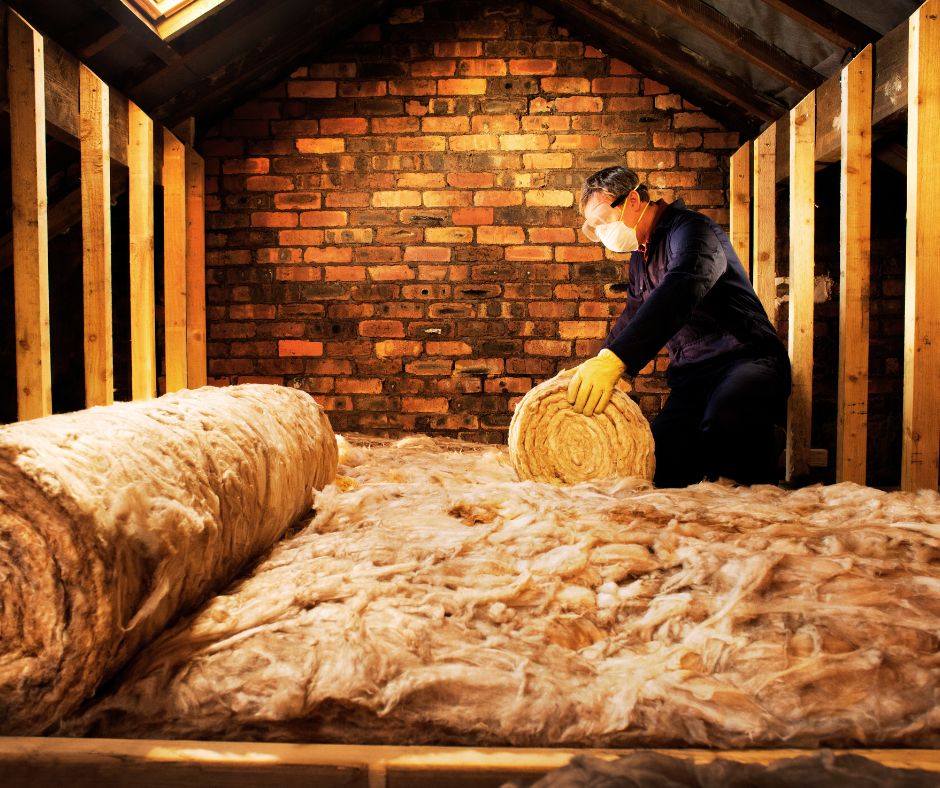
The second thing they are buying is a restored attic. Roof rats that have already been inside leave contaminated insulation, droppings, and nests, and they gnaw wiring and ductwork. A real job pairs the sealing with cleanup of that contamination and replacement of fouled insulation, so the attic comes out closed, clean, and re-insulated. In Escondido's climate, fresh insulation at the right R-value also matters for cooling costs, since the inland summers push temperatures well above the coast and a well-insulated attic keeps that heat out of the living space. The team at Attic Guard handles the sealing, the sanitation, and the insulation as one coordinated job, documenting each step with photos so an Escondido homeowner can see the work.
Why the Local Setting Rewards Sealing
Escondido's position on the rural-urban edge means the outside rodent population is large and always present. Homes near the open space around Kit Carson Park, along the Escondido Creek corridor, or up in the Hidden Meadows area sit close to the habitat that feeds the pressure, and the region's mild winters never knock the numbers down. Trapping in that setting is a treadmill, because a fresh rat replaces the last one within days by following the same scent trail through the same open gap. Sealing the house is the move that steps off the treadmill, which is exactly why more Escondido homeowners are choosing it. The County of San Diego Vector Control Program offers free educational rat inspections to residents, a useful public resource, but it does not seal a home, so the sealing falls to a licensed exclusion contractor.
The financial logic holds up too. Repeated trapping, ongoing damage to wiring and ductwork, higher cooling bills from ruined insulation, and the health risk of droppings in the attic all add up over time. A one-time seal and restoration, backed by a three-year rodent proofing warranty, replaces that recurring cost and risk with a fixed, closed result. For homeowners planning to stay in their Escondido homes, that math is why rodent proofing reads as an investment rather than an expense.
A Sealed, Restored Escondido Home
Complete Escondido rodent proofing seals the roofline and the foundation, cleans up the contamination, and replaces the fouled insulation, leaving the home closed and the attic restored. Handling the whole scope through one licensed vendor avoids the gaps that open when separate crews split the sealing, the cleanup, and the insulation. That single-vendor approach, with documentation photos and an upfront written quote, is part of why homeowners across North County are choosing to do it once and do it right.
AtticGuard is a licensed cleanup, exclusion, and insulation contractor, not an exterminator, based at its Escondido shop at 510 Corporate Drive Suite F, 92029, and serving San Diego County along with Orange County and southwest Riverside County. The work carries a three-year rodent proofing warranty under California license CSLB #1138505, with financing available and free, no-obligation inspections that include documentation photos and an upfront written quote. Escondido homeowners ready to seal the house instead of trapping again can call +1 (858) 330-6197 to schedule a free inspection.
Escondido (Spanish for 'hidden') is a city in San Diego County, California, United States. Located in the North County region, it was incorporated in 1888, and is one of the oldest cities in San Diego County. It has a population of 151,038 as of the 2020 census.
"Escondido" is a Spanish word meaning "hidden". One source says the name originally referred to agua escondida or hidden water or valley;[7] another says it meant "hidden treasure".[8]
The Escondido area was first settled by the Luiseño, who established campsites and villages along the creek running through the area. They named the place Mixéelum Pompáwvo or "Mehel-om-pom-pavo." The Luiseno also had another village north of Mixéelum Pompáwvo called Panakare.[9] The Kumeyaay migrated from areas near the Colorado River, settling both in San Pasqual Valley and near the San Dieguito River in the southwestern and western portions of what is now Escondido. Most of the villages and campsites today have been destroyed by development and agriculture.[10]
Spain controlled the land from the late 18th century to the early 19th century, and established many missions in California to convert the indigenous people. When Mexico gained its independence from Spain, the local land was divided into large ranchos. Most of what is now Escondido occupies the former Rancho Rincon del Diablo ("Devil's Corner"), a Mexican land grant given to Juan Bautista Alvarado (not the governor of the same name) in 1843 by Governor Manuel Micheltorena. Alvarado was a regidor of Los Angeles at the time, and the first Regidor of Pueblo San Diego. The southern part of Escondido occupies the former Rancho San Bernardo, granted in 1842 and 1845.[11]
The city was home to a largely Spanish-speaking population in the first census, taken in 1850 when California became a state. After statehood, non-Hispanic settlers came to Southern California in increasing numbers, many of them from the Midwestern states.[12] The decade of the 1880s is known as the "Southern California Land Boom" because so many people moved to the state.
In 1853, pro-Southern Copperheads proposed dividing the state of California to create a new Territory of Colorado (at this time the territory that would become the state of Colorado was named "Jefferson"). San Diego Judge Oliver S. Witherby suggested placing the capitol of the new territory in Rancho Rincon del Diablo. He envisioned a railroad connecting San Diego to Fort Yuma through an area about two miles (3 km) south of the current Escondido site, heading east through San Pasqual. With a series of deeds in 1855 and 1856, the rancho was transferred from the heirs of Juan Bautista Alvarado to Witherby.[11] He planned to profit from the town that he believed would be established from the dividing point on the railroad below the eastern hills.[13] The proposal for splitting the state and creating the new territory passed in the California legislature, but died in Congress in the run-up to the Civil War.[11] It was effectively killed in 1861 when Congress organized the Territory of Colorado in the area previously occupied by the Jefferson Territory. With Witherby's vision of owning a bustling state capitol unrealized, he set up a mining operation on the rancho instead.[13]
In 1868, Witherby sold the rancho for $8,000 to Edward McGeary and John, Josiah, and Matthew Wolfskill. McGeary owned half the rancho, while the three Wolfskill brothers each owned an equal share of the other half. John Wolfskill farmed sheep, horses, and cattle on the rancho for a number of years. Wolfskill had frequent conflicts with the Couts family, owners of the neighboring Guajome, Buena Vista, and San Marcos ranchos, over grazing lands and watering holes.[11]
In October 1883, a group of Los Angeles investors purchased Rancho Rincon del Diablo. This group sold the land to the newly formed Escondido Company in 1884. On December 18, 1885, investors incorporated the Escondido Land and Town Company, and in 1886 this company purchased the 12,814-acre (52 km2) area for approximately $100,000.[11] Two years later, in 1888, Escondido was incorporated as a city; the vote was 64 in favor of cityhood with 12 votes against. The Santa Fe rail line was laid in the 1880s. The opening of U.S. Route 395 in 1930 boosted economic growth in Escondido.
Aerial view of a citrus orchard in the San Pasqual Valley in Escondido
Escondido was primarily an agricultural community, growing muscat grapes initially. After a dam was built in 1894–1895 to form what is known today as Lake Wohlford, orange and lemon trees were planted in large numbers, as were olive and walnut trees. By the 1960s, avocados became the largest local crop. Since the 1970s, Escondido has lost most of its agricultural land to housing developments, but still retains a significant agricultural presence in the San Pasqual Valley, including vineyards, citrus orchards, and avocado orchards.
According to the United States Census Bureau, the city has a total area of 37.0 square miles (96 km2). 36.8 square miles (95 km2) of it is land and 0.2 square miles (0.52 km2) of it is water. The total area is 0.48% water.
Escondido is also bordered by San Marcos to the west and northern San Diego to the south.
The city contains several neighborhoods, including:
Sunset aerial view of downtown Escondido
Downtown Escondido centers on Grand Avenue between Centre City Parkway and the site of the old Palomar Hospital. The city's general plan defines the Downtown Specific Plan Area as approximately 460 acres (1.9 km2) bounded by Centre City Parkway on the west, Hickory and Ivy Streets on the east, Washington Avenue on the north, and Fifth Avenue on the south, with an additional narrow section extending west along Valley Parkway to Interstate 15.[16] Downtown Escondido includes a mix of coffee shops, restaurants, assorted retail, art galleries, bakeries, a comedy club, and the historic Ritz Theater.
Neighborhood view in Old Escondido Historic District in Escondido
Old Escondido Historic District is bounded by Escondido Boulevard on the west, Chestnut Street on the east, Fifth Avenue on the north, and Thirteenth Avenue on the south. This area is made up of mostly single-family residential housing[17] built in the late 1800s and early 1900s in the Victorian and Craftsman styles and is a 5- to 10-minute walk to Grand Avenue in Downtown Escondido.
Natural vegetation types in the Escondido area include chaparral brushland, oak woodland, riparian (stream) woodland, and grassland. The Daley Ranch Preserve north of the city includes areas representative of this vegetation.
Looking south across Escondido from over Dixon Lake. At the very left in the distance is the peak of El Cajon Mountain, with Mount Woodson looming closer at left of center. Farther right is the flattened rise of Twin Peaks, with Black Mountain at right side of the frame.
Escondido has a borderline semi-arid climate (Köppen: BSh) and hot-summer Mediterranean climate (Köppen: Csa) with hot summers and mild, wet winters. Owing to its inland setting, it is considerably hotter than coastal cities like San Diego, Carlsbad or Oceanside during the summertime, and cooler in the winter. The climate is mild enough to allow widespread cultivation of avocados and oranges. Escondido is located in plant hardiness zone 10a. The hottest temperature recorded in Escondido was 115 °F or 46.1 °C on September 6, 2020. The coldest temperature recorded in Escondido was 13 °F or −10.6 °C on January 2, 1901, and January 7, 1913.[19]
Yearly precipitation averages around 15 inches (380 mm) and can vary considerably from year to year. The wettest "rain year" from July 1940 to June 1941 totalled 31.73 inches or 805.9 millimeters, but in the driest "rain year" from July 2013 to June 2014 just 5.75 inches or 146.1 millimeters fell. The wettest month has been January 1916 with 19.55 inches or 496.6 millimeters, and the greatest 24-hour rainfall 6.47 inches or 164.3 millimeters on February 16, 1927. Rainfall totals are higher in the hills to the north and east, with 20–24 inches or 510–610 millimeters falling in most areas above 2,000 feet (610 m) in elevation, and over 30 inches or 760 millimeters on Palomar Mountain, 15 miles (24 km) to the east. More than 80% of all precipitation takes place from November through March. Snow is virtually unheard of, though occasionally winter and springtime thunderstorms will drop small hail.
Climate data for Escondido No 2, California (1991–2020 normals, extremes 1893–present)
Dixon Lake is located in the north of Escondido. Dixon Lake has been granted an Aquaculture Permit by the State of California Department of Fish and Wildlife, so that fishing licenses are no longer required. However, all anglers eight years and older will need daily lake fishing permits, which are available at the concession stand. Throughout the year, the city keeps stocking different types of fish, which include bass, bluegill, carp, catfish, crappie, and trout. Each year the Trout Derby event is also hosted at Dixon Lake.[22]
Escondido city, California – Racial and ethnic composition Note: the US Census treats Hispanic/Latino as an ethnic category. This table excludes Latinos from the racial categories and assigns them to a separate category. Hispanics/Latinos may be of any race.
The census reported that 98.6% of the population lived in households, 0.9% lived in non-institutionalized group quarters, and 0.5% were institutionalized.[44]
There were 48,316 households, out of which 38.0% included children under the age of 18, 51.0% were married-couple households, 7.5% were cohabiting couple households, 25.6% had a female householder with no partner present, and 15.8% had a male householder with no partner present. 19.0% of households were one person, and 9.4% were one person aged 65 or older. The average household size was 3.08.[44] There were 35,642 families (73.8% of all households).[45]
The age distribution was 24.1% under the age of 18, 10.0% aged 18 to 24, 28.0% aged 25 to 44, 24.1% aged 45 to 64, and 13.9% who were 65years of age or older. The median age was 35.7years. For every 100 females, there were 97.0 males.[44]
There were 49,998 housing units at an average density of 1,338.8 units per square mile (516.9 units/km2), of which 48,316 (96.6%) were occupied. Of these, 51.7% were owner-occupied, and 48.3% were occupied by renters.[44]
In 2023, the US Census Bureau estimated that the median household income was $84,477, and the per capita income was $38,098. About 9.9% of families and 13.4% of the population were below the poverty line.[46]
The Census reported that 141,792 people (98.5% of the population) lived in households, 1,333 (0.9%) lived in non-institutionalized group quarters, and 786 (0.5%) were institutionalized.
There were 45,484 households, out of which 18,989 (41.7%) had children under the age of 18 living in them, 23,535 (51.7%) were opposite-sex married couples living together, 6,082 (13.4%) had a female householder with no husband present, 3,115 (6.8%) had a male householder with no wife present. There were 3,121 (6.9%) unmarried opposite-sex partnerships, and 343 (0.8%) same-sex married couples or partnerships. 9,528 households (20.9%) were made up of individuals, and 4,235 (9.3%) had someone living alone who was 65 years of age or older. The average household size was 3.12. There were 32,732 families (72.0% of all households); the average family size was 3.57.
The age distribution of the population showed 39,778 people (27.6%) under the age of 18, 15,455 people (10.7%) aged 18 to 24, 41,043 people (28.5%) aged 25 to 44, 32,551 people (22.6%) aged 45 to 64, and 15,084 people (10.5%) who were 65 years of age or older. The median age was 32.5 years. For every 100 females, there were 98.2 males. For every 100 females age 18 and over, there were 96.1 males.
There were 48,044 housing units at an average density of 1,298.9 per square mile (501.5/km2), of which 23,759 (52.2%) were owner-occupied, and 21,725 (47.8%) were occupied by renters. The homeowner vacancy rate was 2.2%; the rental vacancy rate was 6.0%. 70,936 people (49.3% of the population) lived in owner-occupied housing units and 70,856 people (49.2%) lived in rental housing units.
The city can be divided into two demographically distinct areas. Peripheral hilly areas to the north, southeast, and southwest are relatively wealthy and populated by non-Hispanic whites, and flat areas adjacent to the downtown are predominantly Hispanic. As of 2006–07 school year, non-Hispanic white children comprised 71.7% of all students in Bernardo Elementary School (southwest), 60.8% of all students in L.R. Green Elementary School (southeast), and 54.7% of all students in Reidy Creek Elementary School (north); In contrast, Farr Avenue, Pioneer and Lincoln Elementary schools (three large schools just north of the downtown) all have more than 85% of Hispanic and less than 6% non-Hispanic white students.
Escondido ranks in the top 5 neighborhoods of San Diego County with the highest crime rate as of 2022. Escondido's crime rate is considerably higher than the national average. Escondido's Crime Rate is 72% higher than the national average. The chance of being the victim of a crime in Escondido in 1 in 14.[50] Escondido crime rates rank similar to El Cajon, National City, Oceanside, Lemon Grove, Barrio Logan, Logan Heights, and Santa Ana.[51][52] The most dangerous neighborhoods in Escondido are Harmony Grove, Vineyard, Midway, Central Escondido, and South Boulevard. The safest neighborhoods in Escondido are Felicita, East Valley, Kit Carson, and East Canyon.[53]
Aerial view of Palomar Medical Center in Escondido
Residents work in a range of industries. Out of the approximately 64,000 employed civilian residents over the age of 16, 15% work in educational, health care and social services; 13% in retail trade; 13% in construction; 12% in professional, scientific, management, administrative, and waste management services; 11% in arts, entertainment, recreation, and accommodation and food services; 11% in manufacturing; and 11% in other services.[54]
The Farmers Market in downtown Escondido is a certified Farmers Market that showcases fresh-picked California-grown fruits, vegetables, and flowers.[57]
The Escondido Swap Market has operated over 40 years, and features used and new merchandise and food.[58]
Downtown has become more active in the past few years with the opening of restaurants, cafes, and galleries. A satellite location of the Mingei International Museum, a well-known museum of folk art from around the world, occupied the former J.C. Penney building on Grand Avenue from 2003 to 2010.[59] One block off Grand Ave. is Grape Day Park with the civic center and the California Center for the Arts, which features two theaters, a visual arts museum, an educational complex, and a conference center. Grape Day Park also hosts the Escondido History Center, an independent non-profit museum. San Diego Children's Discovery Museum, across the street on N Broadway, features hands-on exhibits and programs for children up to 10 years of age, with an authentically regional perspective on natural and social science. The History Center features the city's original Santa Fe Depot, first library, Victorian house, barn, and blacksmith shop. The Pioneer Room of Escondido Public Library (located in the Mathes Center building next to the Main Library) offers photographs, maps, oral histories, genealogical collections, directories and yearbooks documenting Escondido's history.[60] On Friday evenings a car rally called Cruisin' Grand takes place on seven blocks of Grand Avenue, featuring pre-1970 vintage cars every year from April to September.[61]
The Escondido Arts Partnership, a non-profit art organization established in 1995, created and hosts the Second Saturday Art Walk, involving several galleries and museums in Escondido. It also has a Municipal Gallery including five galleries and five art study spaces. It operates the Betty Woodaman Memorial Art Library, a donated-based art library that offers art books local community,[62] and publishes an annual collection of poetry and art called "Summation".[63]
In 1981, Escondido National Little League became the 19th[65] team to make it to the Little League World Series from the state of California. The team was first District 31 champions, then District 8 champions.[66] They then won the Southern California Divisional Tournament at Youth Athletic Park by beating San Bernardino Civitan 3–2 in the quarterfinals, then beating Granada Hills American 5–1 in the semifinals and then beating Ladera National 7–5 in the finals to earn a trip to the Western Regional. At the Western Regional in San Bernardino, the Escondido team won four straight games to earn the trip to Williamsport.[67]
In October 2010, Merritt Paulson, owner of the AAAPortland Beavers franchise, announced that the team was being sold to the North County Baseball ownership group, led by Jeff Moorad, part-owner and CEO of the Beavers parent team, the San Diego Padres.[68] The ownership group discussed building a stadium in Escondido to become operational for the 2012 baseball season at the earliest. In December 2010, the Escondido city council voted to go ahead with the ballpark.[69] The stadium was slated to open in April 2013.[70] However, the plan to move the team fell through in late 2011.[71]
Aerial view of a mountain biker on Sage Trail in Daley Ranch
Daley Ranch is a 3,058-acre (12.38 km2) conservation area acquired in 1996 by the City of Escondido and is managed in perpetuity for the preservation of a biologically unique and diverse habitat area of regional importance. Daley Ranch has over 20 miles (32 km) of hiking, mountain biking, and equestrian trails. Six distinct trails cover most of the property. Most popular are the Boulder Loop Trail (2.4 miles) which affords views of Escondido, and the Ranch House Loop (2.5 miles), which passes two small ponds and the site of Daley's original log cabin. Several species of oak trees are common, as well as chaparral (brushland). Wildlife include deer, coyote, bobcats, rabbits and hawks. Cougars are sometimes present, but not frequently seen.
El Norte Park is a small "green lung" park, off El Norte Parkway in northern Escondido. It features mature trees and a kids playground.
A portion of the disc golf course at Kit Carson Park
Kit Carson Park is a 285-acre (1.15 km2) municipal park featuring 3 ponds, multiple sports fields, playgrounds, a disc golf course, an arboretum, and Queen Califia's Magical Circle, the last major international work by French artist Niki de Saint Phalle. De Saint Phalle, a colleague of Salvador Dalí and Jasper Johns, is best known for her Stravinsky Fountain, located in Paris, France. The artist chose Escondido as the site for her final work because it reminded her of Italy.
Grape Day Park is located behind the Escondido City Hall and the performing arts complex. This park was named after the annual grape day harvest, an event held on the first Saturday after Labor Day from 1908 to 1950.[76]
Jesmond Dene Park in North Escondido features 3 ball fields, a playground, and BBQs.
Picnic areas at Dixon Lake
Dixon Lake supplies Escondido with fresh water and is a popular location for fishing, as fishing permits can be purchased at the store on site. Swimming is not allowed but rowboats, motorized boats, and pedal boats are available for rental. Dixon Lake has about 34 campsites which look out over the lake and/or over Escondido. There are several trails that follow the shoreline of Dixon Lake, as well as several fishing areas and floating docks on both sides of the lake. While entrance to the park is free, the city charges $5.00 on Saturdays and Sundays for taking a car into the park. However, ample free parking next to the trailheads of Daley Ranch is available outside the Dixon Lake gate.
Lake Wohlford is in the northeast corner of Escondido. The lake has some walking trails around the perimeter and allows fishing. In addition, the northern shore is home to the Lake Wohlford Cafe, founded in 1949 and prominently featuring locally caught catfish in its menus.
Mountain View
Rod McLeod Park is an 18-acre (73,000 m2) green space offering a tot lot, a paved trail, restrooms, benches, picnic tables, and BBQs.
Washington Park is an urban park located on the eastern side of central Escondido. It features lighted facilities for baseball, softball, tennis and basketball, a 25-yard swimming pool and water slide, and a smaller children's pool. The park's numerous mature trees create plenty of shady areas and tables are provided for picnics.[77]
Westside
Frances Ryan Park is a 67-acre (270,000 m2) complex of soccer fields, supported by a concession stand and public restrooms. The park is adjacent to Valley High School in eastern Escondido at the corner of Valley Parkway and El Norte Parkway. As of October 2010, the park features 7 soccer fields, 5 of which have lights for night time practice and play. The park is named for a former teacher at Escondido High School.[78]
Grove Park was so named to recognize the city's agricultural history. It was built about 2008 (approximate date). It is about 4.5 acres (18,000 m2) in size and is located in the Mission Park neighborhood.
Aerial view of Escondido City Hall and Grape Day Park behind
Escondido is governed by a council-manager system. The city council consists of a mayor and four City Council members. Along with the City Treasurer, they are elected at large to four-year terms. The current mayor is Dane White. Current City Council members are Consuelo Martinez, Jose M. Garcia, and Michael Morasco.[81] The current City Manager is Sean McGlynn.[82] The current City Treasurer is Douglas Shultz.[83] The most recent election was held on November 8, 2022.[84]
The city is particularly known for its positions on illegal immigration. Approximately half of the population is Hispanic, and then-council member Sam Abed estimated in 2006 that 35,000 people, or 25% of the city population, are undocumented. Since 2010 federal immigration officials have worked out of the Escondido police station in an unprecedented city-federal partnership.[85] In 2006 the city council proposed and then abandoned an ordinance to punish landlords who rent to illegal immigrants.[85] Due to a public outcry and legal challenges to that proposed housing ordinance,[86] as well as the election of Diaz to the City Council, the council has ceased any overt measures against illegal immigrants.[87] Council policies now focus on "quality of life" issues instead. Periodic police checkpoints are set up which randomly stop drivers to check drivers licenses, registration, and insurance.[85] An overnight parking ordinance has been proposed that would limit the number of cars each household can legally park on city streets.[88] The city is estimated to have lost as much as a quarter of its non-citizen population between 2006 and 2007; Latino activists attribute this to a perception of the city as hostile to immigrants.[89]
This section needs to be updated. Please help update this article to reflect recent events or newly available information.(May 2022)
In the United States presidential election of 2008, 53.3% of voters residing in incorporated Escondido voted for John McCain, 44.9% for Barack Obama, and 1.8% for a third-party candidate. Unincorporated areas were considerably more conservative: among voters in neighborhoods of Rincon Del Diablo, Hidden Meadows, and Valley Center, 62.3%, 65.5%, 66.9% of voters respectively cast their votes for McCain. A survey by The Bay Area Center for Voting Research found that among American cities with populations over 100,000, Escondido was the 11th most conservative city in the United States based on voting results in the 2004 presidential election.[94]
The Escondido Union ESD, San Pasqual Union ESD, and Escondido Union HSD serve the City of Escondido and the Unincorporated communities such as: Jesmond Dene, North Ridge, Hidden Meadows, Deer Springs, San Pasqual Valley, Del Dios, Elfin Forrest, East Canyon, Cloverdale, and Lake Wolford. The city has 19 elementary, seven middle, and seven high schools.[citation needed]
Escondido Adult School was established in 1968 by the Escondido Union High School District. Escondido Adult School is a provider of adult education services in Escondido and its surrounding communities. Escondido Adult School offers adult education services for adults in the areas of: high school diploma, GED, HISET, adult basic education, ESL, parenting classes, community education courses, and career technical education courses. Escondido Adult School also offers a robust selection of short-term medical training courses such as: Certified Nurse Assistant, Certified Home Health Aide, Medical Assistant, Pharmacy Technician, Phlebotomy, Medical Billing and Coding, CPR/BLS training and certification, and Veterinary Assistant. Escondido Adult School is a member of the Education to Career Network of North San Diego County. ETCN is one of 71 consortiums in the State of California and is funded by the California Adult Education Program.
Public Post-Secondary schools: Escondido Adult School and Palomar College-Escondido Campus
There is a wide range of API scores for Escondido schools, reflecting the demographic diversity of the city. As of 2009,[97] two elementary schools in the district scored above the 80th percentile of all schools in the state, and nine elementary schools scored below the 20th percentile.
An aerial view of Interstate 15 approaching the Route 78 interchange in Escondido
Two highways serve Escondido: Route 78 and Interstate 15. Route 78 enters from the west as a freeway from Oceanside, which ends at Broadway. The highway follows surface streets and leaves the city heading east into the San Pasqual Valley. I-15 continues from the city to Temecula in the north and San Diego in the south.
Escondido city buses entering and departing the Escondido Transit Center
San Diego Gas & Electric is the electric utility for the city.[100] The City of Escondido Water Utilities serves most customers within the city while Rincon del Diablo Municipal Water District serves potable and recycled water to the greater Escondido valley and some portions of the incorporated city.[101]
Palomar Medical Center is a hospital located in west Escondido near the I-15/78 interchange. It is the only designated trauma center in northern San Diego County. It opened in 2012, replacing a PMC facility that has stood in central Escondido since 1950. The original Palomar hospital, located east of downtown at the Valley Parkway/Grand Avenue junction, remained open and was rebranded Palomar Medical Center Downtown, serving as a standby/overflow medical center until 2021, when it was scheduled for demolition. The building was completely demolished in 2022.
The Meeting of the Lord Monastery is located at 14952 Stonebridge Road outside of Escondido. The monastery, in the care of V. Rev. Milan Vuković, is under the omophorion of Bishop Maksim Vasiljević of the Serbian Orthodox Church.
Deer Park Monastery is a Buddhist sanctuary that occupies 400 acres (1.6 km2) in the hills north of Escondido and west of Daley Ranch. It is one of three monasteries in the United States under the direction of well-known Zen teacher Thich Nhat Hanh.
^ abcdeRush, Philip S. (1965). "Rincon del Diablo". Some old ranchos and adobes. San Diego, California. pp. 46, 47. LCCN65021995.cite book: CS1 maint: location missing publisher (link)
^"II. Land Use"(PDF). City of Escondido General Plan. June 6, 1990. pp. 141, 142, 169. Archived(PDF) from the original on May 5, 2011. Retrieved March 29, 2010.
^"II. Land Use"(PDF). City of Escondido General Plan. June 6, 1990. p. 18. Archived(PDF) from the original on May 5, 2011. Retrieved March 29, 2010.
^糸島市国際交æµåŸºæœ¬è¨ˆç”» [Itoshima International Exchange Basic Plan] (PDF) (in Japanese). 糸島市 (Itoshima City). Archived from the original(PDF) on May 13, 2014. Retrieved June 1, 2012.
^"City Council". City of Escondido. Archived from the original on February 9, 2021. Retrieved January 5, 2023.
^"City Manager". City of Escondido. Retrieved June 24, 2022.
^"City Treasurer". City of Escondido. Archived from the original on March 2, 2017. Retrieved March 20, 2017.
^Jason Alderman; Gitanjali Gurudatt Borkar; Amanda Garrett; Lindsay Hogan; Janet Kim; Winston Le; Veronica Louie; Alissa Marque; Phil Reiff; Colin Christopher Richard; Peter Thai; Tania Wang; Craig Wickersham. "The Most Conservative and Liberal Cities in the United States"(PDF). The Bay Area Center for Voting Research. Archived from the original(PDF) on July 20, 2011. Retrieved July 8, 2012.
^Eastman, Quinn (May 9, 2007). "Escondido a quiet corner of 'D.C. Madam's' life". North County Times. Retrieved February 14, 2010. Deborah Jeane Palfrey, the woman recently accused by federal prosecutors of running a Washington, D.C., prostitution business by phone from California, owns a house in Escondido, but her neighbors said last week that it provided her a quiet refuge, rather than a remote command post.cite news: CS1 maint: deprecated archival service (link)
^Sullivan, Mike (July 20, 2007). "Weddle wants to get out of the house". North County Times. Retrieved July 31, 2010. Eric Weddle recently moved into a house in Escondido.cite news: CS1 maint: deprecated archival service (link)
Orthohantavirus is a genus of viruses which includes all hantaviruses that cause disease in humans. Hantaviruses are naturally found primarily in rodents. In general, each hantavirus is carried by one rodent species and each rodent that carries a hantavirus carries one hantavirus species. Hantaviruses in their natural reservoirs usually cause an asymptomatic, persistent infection. In humans, however, hantaviruses cause two diseases: hemorrhagic fever with renal syndrome (HFRS) and hantavirus pulmonary syndrome (HPS). HFRS is mainly caused by hantaviruses in Africa, Asia, and Europe, called Old World hantaviruses, and HPS is usually caused by hantaviruses in the Americas, called New World hantaviruses.
Hantaviruses are transmitted mainly through aerosols and droplets that contain rodent excretions, as well as through contaminated food, bites, and scratches. Environmental factors such as rainfall, temperature, and humidity influence transmission. HFRS is marked by kidney disease with kidney swelling, excess protein in urine, and blood in urine. The case fatality rate of HFRS varies from less than 1% to 15% depending on the virus. A mild form of HFRS called nephropathia epidemica is often caused by Puumala virus and Dobrava-Belgrade virus. For HPS, initial symptoms are flu-like, with fever, headache, and muscle pain, followed by sudden respiratory failure. HPS has a higher case fatality rate than HFRS, at 30–60%. For both HFRS and HPS, illness is the result of increased vascular permeability, decreased platelet count, and overreaction of the immune system.
The hantavirus genome consists of three single-stranded negative-sense RNA segments that encode one protein each: an RNA-dependent RNA polymerase (RdRp), a spike glycoprotein precursor, and the N protein. Segments are encased in N proteins to form ribonucleoprotein (RNP) complexes that each have a copy of RdRp attached. RNP complexes are surrounded by a lipid envelope that has spike proteins emanating from its surface. Replication begins when spikes attach to the surface of cells. After entering the cell, the envelope fuses with endosomes and lysosomes, which empties RNPs into the cytoplasm. RdRp then transcribes the genome to produce messenger RNA (mRNA) for translation by host ribosomes to produce viral proteins and replicates the genome for progeny viruses. Old World hantaviruses assemble in the Golgi apparatus and obtain their envelope from it, before being transported to the cell membrane to leave the cell via exocytosis. New World hantaviruses assemble near the cell membrane and obtain their envelope from it as they leave the cell by budding from its surface.
Hantaviruses were first discovered following the Korean War. During the war, HFRS was a common ailment in soldiers stationed near the Hantan River. The first hantavirus was isolated in 1978 in South Korea and was named Hantaan virus. It was shown to be responsible for the outbreak during the war. Within a few years, other hantaviruses that cause HFRS were discovered throughout Eurasia. In 1982, the World Health Organization gave HFRS its name, and in 1987, hantaviruses were classified as a genus for the first time. In 1993, an outbreak of HPS occurred in the Four Corners region in the United States, which led to the discovery of pathogenic New World hantaviruses and the second disease caused by hantaviruses. Since then, hantaviruses have been found not just in rodents but also in moles, shrews, and bats.
Hantaviruses are sorted into Old World hantaviruses (OWHVs), which typically cause hemorrhagic fever with renal syndrome (HFRS) in Africa, Asia, and Europe, and New World hantaviruses (NWHVs) which are associated with hantavirus pulmonary syndrome (HPS) in the Americas. The case fatality rate of HFRS ranges from less than 1% to 15%, while for HPS it is 30–60%.[2][3][4][5] The severity of symptoms of HFRS varies depending on the virus: Hantaan virus causes severe HFRS, Seoul virus moderate HFRS, Puumala virus mild HFRS,[6] and Dobrava-Belgrade virus infection varies from mild to severe depending on genotype.[7] The mild form of HFRS caused by Puumala virus and Dobrava-Belgrade virus is often called nephropathia epidemica (NE).[8][9] Repeated infections of hantaviruses have not been observed, so recovering from infection likely grants life-long immunity.[10][11]
HFRS is characterized by five phases: febrile, hypotensive, low urine production (oliguria), high urine production (polyuria), and recovery. Symptoms usually occur 12–16 days after exposure to the virus.[12] Acute kidney disease occurs with kidney swelling, excess protein in urine (proteinuria), and blood in urine (hematuria). Other symptoms include headache, lower back pain, nausea, vomiting, diarrhea, bloody stool, the appearance of spots on the skin (petechiae), and hemorrhaging in the respiratory tract.[2][13] Renal failure leads to oliguria, and restoration of kidney health comes with polyuria.[2][6] Recovery typically takes a few months.[14] In more mild cases, the different phases of HFRS may be hard to distinguish,[15] or some phases may be absent, while in more severe cases, the phases may overlap.[6]
HPS is mainly caused by two viruses: Andes virus and Sin Nombre virus. The disease has three phases: prodromal (early), cardiopulmonary, and recovery. Symptoms occur about 1–8 weeks after exposure to the virus. Early symptoms include fever, headache, muscle pain, shortness of breath (dyspnea), and low platelet count (thrombocytopenia). During the cardiopulmonary phase, there is elevated heart rate (tachycardia), irregular heartbeats (arrhythmias), and cardiogenic shock. Pulmonary capillary leakage can lead to acute respiratory distress syndrome, buildup of fluids in the lungs (pulmonary edema), hypotension, and buildup of fluid in the chest cavity (pleural effusion). These symptoms can cause sudden death.[2][5][16] After the cardiopulmonary phase is resolved, recovery typically takes 3 to 6 months,[16] with polyuria. While HFRS is associated with renal disease and HPS with cardiopulmonary disease, HFRS may sometimes include cardiopulmonary symptoms associated with HPS and HPS may sometimes include renal symptoms associated with HFRS.[16][17]
Hantaviruses that cause illness in humans are mainly transmitted by rodents. In rodents, hantaviruses usually cause an asymptomatic, persistent infection. Infected animals can spread the virus to uninfected animals through aerosols or droplets from their feces, urine, saliva,[6] and blood,[18] through consumption of contaminated food, from virus particles shed from skin or fur,[19] via grooming,[5] or through biting and scratching. Hantaviruses can also spread through the fecal-oral route and across the placenta during pregnancy from mother to child. They can survive for 10 days at room temperature,[2] 15 days in a temperate environment,[8] and more than 18 days at 4 °C (39 °F), which aids in the transmission of the virus.[2] Environmental conditions favorable to the reproduction and spread of rodents are known to increase disease transmission.[3] Living in a rural environment, in unhygienic settings, and interacting with environments shared with hosts are the biggest risk factors for infection, especially among people who are hikers,[6] farmers, and forestry workers,[8] as well as those in mining, the military,[19][20] and zoology.[16]
Human-to-human transmission of Andes virus is sometimes reported. Although a systematic review of research did not find sufficient evidence of such transmission,[3] many experts consider it to be possible between close contacts while noting that ANDV is not highly transmissible.[21][22] It can reportedly spread through human saliva, airborne droplets from coughing and sneezing, and possibly to newborns through breast milk or the placenta.[2] There is also suspicion that Puumala virus can spread from person to person through blood and platelet transfusions.[23]
Hantaviruses that cause HFRS can be transmitted through the bites of mites and ticks.[24] Research has also shown that pigs can be infected with Hantaan virus without severe symptoms, and sows can transmit the virus to offspring through the placenta. Pig-to-human transmission may also be possible; one swine breeder was infected with hantavirus with no contact with rodents or mites. Hantaan virus and Puumala virus have been detected in cattle, deer, and rabbits, and antibodies to Seoul virus have been detected in cats and dogs, but the role of these hosts for hantaviruses is unknown.[2] Hantaviruses can also spread among rats kept as pets. For example, in an outbreak in North America in 2017, Seoul virus infected 31 people through contact with pet rats.[2] In addition to rodents, some hantaviruses are found in small insectivorous mammals, such as moles,[2][25] shrews, and bats.[9][16] Hantavirus antigen, indicative of infection, has also been detected in a variety of bird species.[24] Infection in other animals can potentially facilitate the evolution of hantaviruses by gene reassortment.[16]
Human built environments are important in hantavirus transmission. Deforestation and excess agriculture may destroy rodents' natural habitat.[16] The expansion of agricultural land is associated with a decline in predator populations, which enables hantavirus host species to use farm monocultures as nesting and foraging sites. Agricultural sites built in close proximity to rodents' natural habitats can facilitate the proliferation of rodents as they may be attracted to animal feed.[18][26] Sewers and stormwater drainage systems may be inhabited by rodents, especially in areas with poor solid waste management. Maritime trade and travel have also been implicated in the spread of hantaviruses.[18] Research results are inconsistent on whether urban living increases or decreases hantavirus incidence.[26]Seroprevalence, which shows past infection to hantavirus, is consistently higher in occupations and areas that have greater exposure to rodents.[22] Poor living conditions on battlefields, in military camps, and in refugee camps expose soldiers and refugees to infection.[20]
Rodent species that carry hantaviruses inhabit a diverse range of habitats, including desert-like biomes, equatorial and tropical forests, swamps, savannas, fields, and salt marshes.[18] The seroprevalence of hantaviruses in their host species has been observed to range from 5.9% to 38% in the Americas, and 3% to about 19% worldwide, depending on testing method and location.[19][27] In some places, such as South Korea, routine trapping of wild rodents is performed to surveil hantavirus circulation.[4] High humidity can benefit rodent populations in warm climates, where it may positively impact plant growth and thus food availability.[18] Increased forest coverage is associated with increased hantavirus incidence, particularly in Europe.[26]
Climate change and environmental degradation increase contact areas between rodent hosts and humans, which increases potential exposure to hantaviruses. An example of this was the 1993 Four Corners outbreak in the United States, which was immediately preceded by elevated rainfall from the 1992–1993 El Niño warming period. This caused a substantial growth in the food supply for rodents, which led to rapid growth in their population and facilitated greater spread of the hantavirus that caused that outbreak.[18][19][28]
Rainfall is consistently associated with hantavirus incidence in various patterns. Heavy rainfall is a risk factor for outbreaks in the following months,[10] but may negatively affect incidence by flooding rodent burrows and nests.[28] In places that have wet and dry seasons, infections are more common in the wet season than in the dry season.[18] Low rainfall and drought are associated with decreased incidence since such conditions result in a smaller rodent population,[28] but displacement of rodent populations via drought or flood can lead to an increase in rodent-human interactions and infections.[18] In Europe, however, no association between rainfall and disease incidence has been found.[28]
Temperature has varying effects on hantavirus transmission. Higher temperatures create unfavorable environments for virus survival and decreases activity levels of Neotropic rodents, but it can cause rodents to seek shelter from heat in human settings and is beneficial for aerosol production.[16][18] Lower temperature can prolong virus survival outside a host.[18] Higher average winter temperature is associated with reduced survival of bank voles, the natural reservoir of Puumala virus, but increased survival of striped field mice in China, the natural reservoirs of Hantaan virus.[28] Extreme temperatures, whether hot or cold, are associated with lower disease incidence.[10]
A transmission electron micrograph of Sin Nombre virus
The genome of hantaviruses is segmented into three parts: the large (L), medium (M), and small (S) segments. Each part is a single-stranded negative-sense RNA strand and consists of 10,000–15,000 nucleotides in total.[5] The segments form into circles via non-covalent bonding of the ends of the genome.[29] The L segment is about 6.6 kilobases (kb) in length[19] and encodes a viral RNA-dependent RNA polymerase (RdRp), which mediates transcription and replication of viral RNA. The M segment, about 3.7 kb in length,[19] encodes a glycoprotein precursor that is co-translated and cleaved into Gn and Gc. Gn and Gc bind to cell receptors, regulate immune responses, and induce protective antibodies. The S segment is around 2.1 kb in length[19] and encodes the nucleocapsid protein N, which binds to and protects viral RNA. An open reading frame in the N gene on the S segment[30] of some orthohantaviruses also encodes the non-structural protein NS that inhibits interferon production in host cells. The untranslated regions at the ends of the genome are highly conserved and participate in the replication and transcription of the genome.[2][5][6]
Individual hantavirus particles (virions) are usually spherical, but may be oval, pleomorphic,[31] or tubular.[5] The diameter of the virion is 70–350 nanometers (nm).[19] The outer part of the virion is a lipid envelope that is about 5 nm thick. Embedded in the envelope are the surface spike glycoproteins Gn and Gc,[2] which are arranged in a lattice pattern.[19] Each surface spike is composed of a tetramer of Gn and Gc (four units each) that has four-fold rotational symmetry, and extends about 10 nm out from the envelope.[19] Gn forms the stalk of the spike and Gc the head.[5] Inside the envelope are helical nucleocapsids made of many copies of the nucleocapsid protein N, which are attached to the virus's genome to form ribonucleoprotein (RNP) complexes. Each RNP complex has a copy of RdRp attached to it.[2] Hantaviruses do not encode matrix proteins to assist with structuring the virion, so how surface proteins organize into a sphere with a symmetrical lattice is not yet known.[32]
Vascular endothelial cells and macrophages are the primary cells infected by hantaviruses.[9]Podocytes, tubular cells, dendritic cells, and lymphocytes can also be infected.[2][16] Attachment and entry into the host cell is mediated by the binding of the viral glycoprotein spikes to host cell receptors, particularly β3 integrins. Decay acceleration factors, complement receptors, and, for New World hantaviruses, protocadherin-1 have also been proposed to be involved in attachment.[16][32] After attachment, hantaviruses rely on several ways to enter a cell, including micropinocytosis, clathrin-independent receptor-mediated endocytosis and cholesterol- or caveolae-dependent endocytosis.[2][5][16] Old World hantaviruses use clathrin-dependent endocytosis while New World hantaviruses use clathrin-independent endocytosis.[16][23][33]
After entering a cell, virions form vesicles that are transported to early endosomes, then late endosomes and lysosomal compartments. A decrease in pH then causes the viral envelope to fuse with the endosome or lysosome.[19][23][33] This fusion releases viral ribonucleoprotein complexes into the cell cytoplasm, which initiates transcription and replication by RdRp.[2][16][19] RdRp transcribes viral –ssRNA into complementary positive-sense strands, then snatches 5′ ("five prime") ends of host messenger RNA (mRNA) to prepare mRNA for translation by host ribosomes to produce viral proteins.[5][19] Complementary RNA strands are also used to produce copies of the genome, which are encapsulated by N proteins to form RNPs.[2][16][19]
During virion assembly, the glycoprotein precursor is cleaved in the endoplasmic reticulum into the Gn and Gc glycoproteins by host cell signal peptidases.[2][5] Gn and Gc are modified by N-glycan chains, which stabilize the spike structure and assist in assembly in the Golgi apparatus for Old World hantaviruses[2] or at the cell membrane for New World hantaviruses.[16] Old World hantaviruses obtain their viral envelope from the Golgi apparatus and are then transported to the cell membrane in vesicles to leave the cell via exocytosis. On the other hand, New World hantavirus RNPs are transported to the cell membrane, where they bud from the surface of the cell to obtain their envelope and leave the cell.[16][19][23]
A phylogenetic tree of orthohantaviruses based on S and M genome segment sequences[34]
The most common form of evolution for hantaviruses is mutations through single nucleotide substitutions, insertions, and deletions.[2] Hantaviruses are usually restricted to individual natural reservoir species and evolve alongside their hosts,[2] but this one-species-one-hantavirus relationship is not true for all hantaviruses. The exact evolutionary history of hantaviruses is likely obscured by many instances of genome reassortment, host spillover, and host-switching.[35] Within species, geography has affected the evolution of hantaviruses. For example, Hantaan virus and Seoul virus have both formed multiple lineages corresponding to their geographic distribution.[2]
Because hantaviruses have segmented genomes, they are capable of genetic recombination and reassortment in which segments from different viruses can combine to form new viruses. This occurs often in nature and facilitates the adaptation of hantaviruses to multiple hosts and ecosystems. Recombination in OWHVs of the S and M segments is usually observed amongst viruses within species, but can occur between species. Reassortment in NWHVs of the S and M segments has been observed in rodents. Among Puumala viruses isolated from rodents in 2005–2009, 19.1% of them were identified as reassortments.[2][36] Diploid progeny are also possible, in which virions may possess two of the same segment from two parent viruses.[25]
Orthohantaviruses belong to the family Hantaviridae, which contains all hantaviruses. The genus has 37 species, listed hereafter with the exemplar virus of the species. In general, species bear the name of the exemplar virus with the suffix -ense.[29][37]
Hantavirus hemorrhagic disease was likely first described in the Huangdi Neijing, an ancient Chinese medical text, in Imperial China during the Warring States Period of 475–221 BCE.[35] Hantaviruses have been suggested as a cause of "trench nephritis" in soldiers during the US Civil War and in British soldiers in Flanders, Belgium[35] during the First World War. The disease was also mentioned in East Asia, where it was probably endemic, and was first described scientifically in Vladivostok in 1913–1914. During the Second World War in 1942, an outbreak of disease with symptoms characteristic of hantavirus infection occurred in Salla, Eastern Lapland, Finland among German and Finnish soldiers. This outbreak was later reported in 1980 to be caused by a virus transmitted by bank voles and was named Puumala virus.[20] Also during the war, around 10,000 Japanese soldiers stationed in Manchuria developed HFRS.[6]
Around 3,200[20] cases of HFRS occurred among United Nations soldiers stationed near the Hantan River[32] during the Korean War, where it was first identified in 1951[2] and named "Korean hemorrhagic fever" and "epidemic hemorrhagic fever".[35] After the war, in 1976 in South Korea, Ho Wang Lee[14] tested striped field mice and showed that antigens from their lungs were reactive to antibodies in sera from war survivors.[35] In 1978, the virus was isolated for the first time, and in 1980, it was named Hantaan virus after the river.[13] Retrospective analysis showed that Hantaan virus was responsible for the viral outbreak during the war.[20] Other hantaviruses that caused HFRS were then discovered throughout Eurasia. The disease had a variety of names, so in 1982, the World Health Organization officially named it hemorrhagic fever with renal syndrome.[6][35] In 1985, this group of viruses were named "hantaviruses" after Hantaan virus,[31] and in 1987, the genus Hantavirus was established to accommodate them in the then-family Bunyaviridae.[1] During the 1980s, Lee and his team developed the first hantavirus vaccine, Hantavax, to prevent HFRS. The first paper on the vaccine was published in 1988, and it was licensed by the Korean government in 1990.[40]
In 1993, an outbreak of highly lethal acute respiratory distress syndrome occurred in the Four Corners region of the United States. This outbreak was determined to be caused by a hantavirus, now named Sin Nombre virus, and represented the first confirmed instance of pathogenic hantaviruses in the Americas as well as the discovery of a new type of disease caused by hantaviruses. The new disease was named hantavirus pulmonary syndrome. In subsequent years, numerous other hantaviruses were discovered in the Americas.[5][35] HFRS, however, remains much more common than HPS—more than 100,000 cases of HFRS occur each year,[26] compared to only a few hundred cases of HPS annually.[41]
Over time, hundreds of bunyaviruses were discovered but could not be accommodated within the genera of the Bunyaviridae family. To address this, in 2017 bunyaviruses were elevated to the rank of order, Bunyavirales, and hantaviruses, along with the other bunyavirus genera, were elevated to the rank of family. Hantaviruses, also called hantavirids, now also refer to members of the family Hantaviridae. The prior genus of Hantavirus was renamed Orthohantavirus to distinguish them from members of the family, and the genus's members are often called orthohantaviruses. In 2019, additional genera and subfamilies were created to classify non-rodent hantaviruses,[35] and in 2023, binomial nomenclature was adopted for hantaviruses.[2]
^The exemplar virus of Orthohantavirus dobravaense is Dobrava virus, a genotype of Dobrava-Belgrade virus. In scientific papers, "Dobrava-Belgrade virus" is essentially used as a synonym for Orthohantavirus dobravaense.
^Orthohantavirus thailandense bears the name of Thailand virus but its exemplar virus is Anjozorobe virus.
^ abcHansen A, Cameron S, Liu Q, Sun Y, Weinstein P, Williams C, Han GS, Bi P (April 2015). "Transmission of Haemorrhagic Fever With Renal Syndrome in China and the Role of Climate Factors: A Review". Int J Infect Dis. 33: 212–218. doi:10.1016/j.ijid.2015.02.010. hdl:2440/94644. PMID25704595.
^Kuhn JH, Bradfute SB, Calisher CH, Klempa B, Klingström J, Laenen L, Palacios G, Schmaljohn CS, Tischler N, Maes P (23 June 2023). "Reevaluate and Reorganize Family Hantaviridae (Order Bunyavirales)"(zip). International Committee on Taxonomy of Viruses. Retrieved 10 January 2025.
Is sealing really a better investment than trapping?
Escondido's inland North County setting, hot summers, avocado and citrus groves, and nearby open space and creek corridors give roof rats food, cover, and travel routes, while burrowing rats appear along foundations more than at the coast. Mild winters keep numbers up year-round, which is why Escondido rodent proofing is a common investment here.
Why is rodent pressure so high in Escondido?
It seals the eave and vent gaps at the roofline and the foundation vents and pipe penetrations under the house with quarter-inch galvanized steel mesh and sheet metal, then cleans up contamination and replaces fouled insulation. The result is a closed, restored home rather than a trapped one.
What does an Escondido rodent proofing job actually include?
For homeowners staying in their homes, yes. Repeated trapping, wiring and duct damage, higher cooling bills, and droppings in the attic add up, while a one-time seal and restoration backed by a three-year warranty replaces that recurring cost. To schedule a free inspection with AtticGuard, call (858) 330-6197.