A heating and cooling system is one of the largest investments in a home, and like any major investment it lasts longer and performs better with regular care. Yet maintenance is the part homeowners most often skip, usually right up until a sudden breakdown forces the issue at a bad time. For anyone relying on HVAC in Ogden, a year-round maintenance rhythm is the quiet habit that keeps the system efficient, reliable, and ready for the demands the Wasatch Front puts on it every season.
The Northern Utah climate makes maintenance more than a nice idea. Long cold winters push furnaces hard for months, hot summers stress air conditioners on the valley floor, and the inversion season loads the air with particulates that filters have to handle. A system that carries this much of a workload benefits from seasonal attention, and understanding the maintenance calendar helps a homeowner keep HVAC in Ogden running the way it should through every month of the year. The alternative, waiting for a failure to force a service call, almost always costs more and arrives at a worse time than planned seasonal care would have.
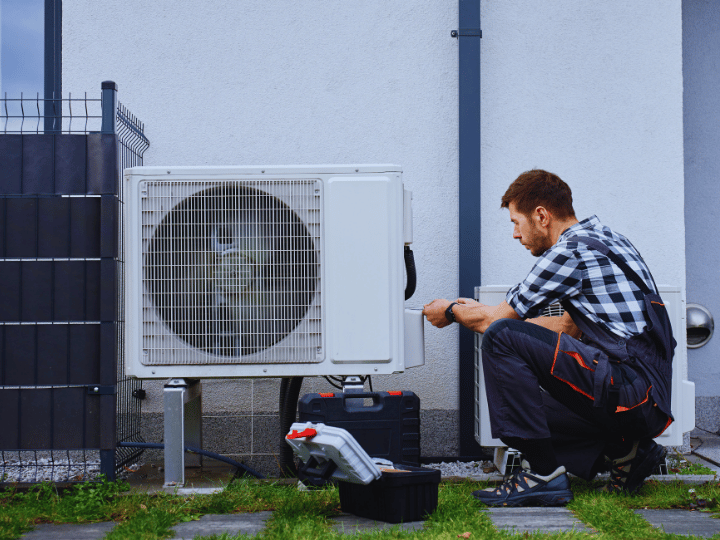
Spring is the time to prepare the cooling system before the first hot stretch arrives. An air conditioner tune-up checks the refrigerant pressure, tests the blower motor, clears the condensate drain line, cleans the coils, and inspects the electrical components that tend to fail under the heavy summer load. Catching a weak capacitor or a low refrigerant charge in spring is far better than finding it during the first ninety-degree afternoon of July.
This spring service matters because a cooling system that has sat idle all winter can hide problems that only show up under demand. A tune-up surfaces them while there is time to address them calmly, rather than during a failure when schedules are full. For HVAC in Ogden, the spring air conditioner check is the step that keeps the cooling season smooth and the system running at its best through the hottest months.
Fall brings the other half of the maintenance calendar, preparing the heating system before winter sets in. A furnace check inspects the heat exchanger for cracks, tests the ignition and flame sensor, checks the draft inducer and the burners, and verifies safe operation before the system runs hard for months on end. On the Wasatch Front, where the winters are long and genuinely cold, this fall service is a safety step every bit as much as an efficiency one.
The heat exchanger inspection deserves special mention. A cracked heat exchanger can let combustion byproducts into the home, which is a genuine safety hazard, and catching it during a fall check is far safer than facing it during a January emergency. For HVAC in Ogden, the fall furnace check protects both comfort and safety heading into the coldest part of the year, which is exactly when the system is needed most.
The financial case for maintenance is simple. A well-maintained system runs at its best, using less energy to hold the same temperature, which shows up directly as lower utility bills across the whole year rather than a slow creep upward that a homeowner writes off as normal. Regular care also catches small problems before they become expensive breakdowns, turning a minor part replacement during a routine tune-up into real savings against a major repair or a costly after-hours emergency call later in the season.
There is a longevity benefit too. A system that receives regular maintenance tends to reach the far end of its expected service life, while a neglected one often fails years early. For a homeowner, spreading modest maintenance costs across the years of a system's life is far cheaper than replacing equipment prematurely. That math is why year-round attention to HVAC in Ogden pays for itself over time rather than being an expense to avoid.
A fall furnace check inspects the heat exchanger for cracks, which can release combustion byproducts into the home, making the inspection a safety step as much as an efficiency one.
Many equipment warranties require documented professional maintenance to stay valid, so keeping a service record protects coverage on expensive components.
During the December-through-February inversion, the filter is the home's primary defense against PM2.5 that infiltrates indoors, so regular filter care matters most in those months.
Maintenance on the Wasatch Front carries an air quality dimension that milder regions do not share. From December through February, the winter inversion traps fine particulate matter, known as PM2.5, at the valley floor, and Weber County readings regularly climb toward and past the EPA 24-hour standard of 35 micrograms per cubic meter. The home's filtration is the primary defense against those particles once they infiltrate indoors.
Regular maintenance keeps that defense working. Checking and replacing the filters on schedule, verifying that the filtration is matched to the system, and keeping the ductwork clean all support indoor air quality through the worst of the inversion weeks. For HVAC in Ogden, folding air quality into the maintenance routine means the home is prepared for the particulate season, not scrambling to address it once the haze has already settled over the valley.
The hardest part of maintenance is remembering to schedule it, which is where a maintenance plan helps. A club membership maintenance plan schedules the spring and fall visits automatically, so the seasonal care happens on time every year without the homeowner having to remember or track it. These plans often include added benefits and priority service, and they take the mental load off the homeowner of keeping a system properly serviced on schedule year after year.
For a busy household, this kind of plan turns maintenance from a task easily forgotten into a system that runs on its own. The visits are scheduled ahead, the reminders arrive on their own, and the home's HVAC in Ogden stays on a steady and consistent care rhythm. That consistency is the whole point, because maintenance only delivers its benefits when it actually happens on schedule rather than being put off until the next breakdown forces attention.
Skipping maintenance does not save money; it defers and multiplies the cost. A dirty system works harder and uses more energy, so the utility bills climb quietly month after month. Small problems that a tune-up would have caught grow into larger failures, and the parts that would have been flagged early instead fail under load, often at the worst time. Neglect trades a modest ongoing cost for a larger unpredictable one.
The pattern is familiar to any local technician. A system that has gone years without service accumulates issues, from clogged coils to worn components, that all surface together when it finally fails. A homeowner who maintains the system avoids that cascade, keeping the equipment in known condition rather than letting problems compound in the dark until a breakdown reveals them all at once.
Many equipment warranties require documented maintenance to stay valid, a detail homeowners often miss until a claim is denied. Manufacturers expect the system to be cared for, and a lapse in maintenance can void coverage on an expensive component. Keeping a record of regular professional service protects the warranty and preserves the homeowner's ability to claim on it if a major part fails within the coverage period.
This is another reason to keep maintenance with one trusted provider. When a single company handles the service year after year, the record stays in one place and is easy to produce if a warranty question arises. For HVAC in Ogden, treating documented maintenance as part of protecting the investment, rather than an optional extra, is a practical safeguard that can save a homeowner a great deal if a warranty claim ever becomes necessary.
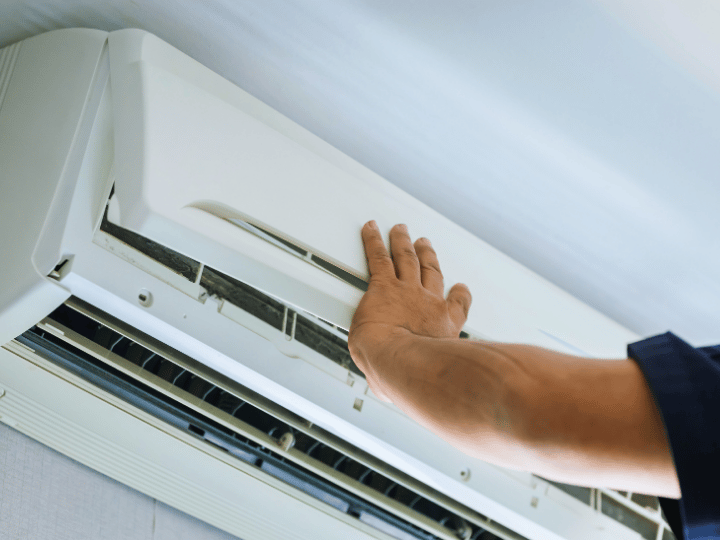
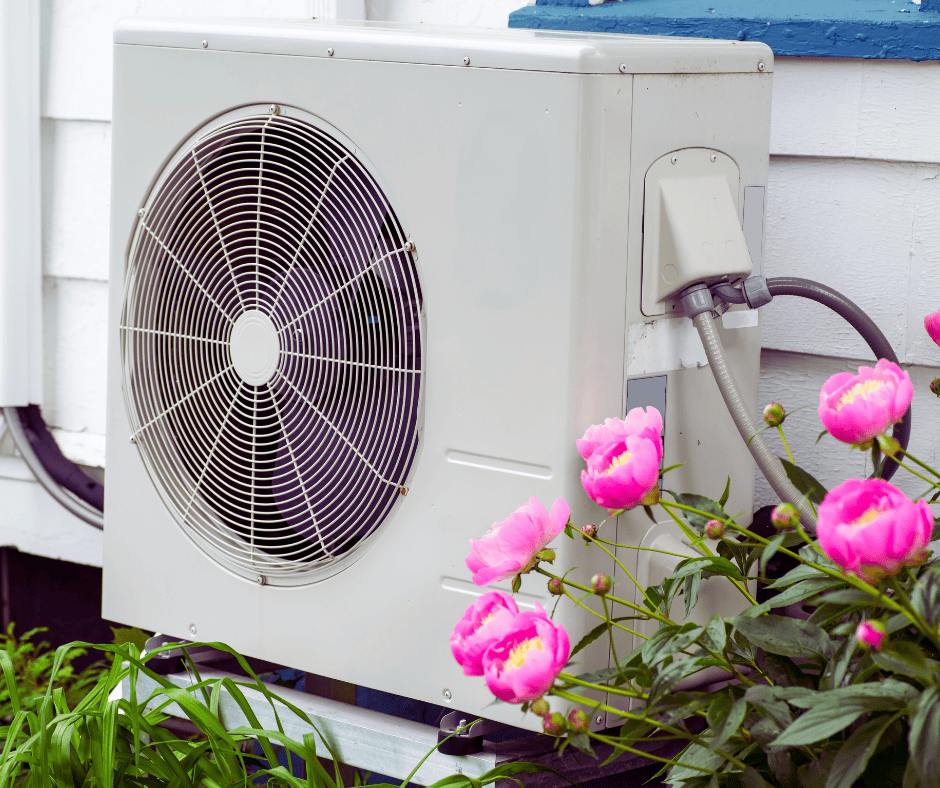
Professional tune-ups anchor the maintenance calendar, but a homeowner can help between visits. Changing or checking the air filter on a regular schedule keeps airflow strong and protects both efficiency and indoor air quality, especially during the inversion season when the filter works hardest. Keeping the outdoor unit clear of leaves, grass clippings, and debris helps the system breathe and run at its best through the cooling season.
These simple habits extend the value of the professional service. A clean filter and a clear outdoor unit reduce strain on the system and help it hold the performance the tune-ups establish. For HVAC in Ogden, this partnership between professional maintenance and basic homeowner care keeps the system in its best condition year-round, bridging the months between the spring and fall visits with steady attention that costs almost nothing.
The seasonal rhythm on the Wasatch Front gives maintenance a natural schedule. Spring, before the first heat, is the window for the air conditioner. Fall, before the first hard freeze, is the window for the furnace. Booking these two visits well ahead of the seasonal rush means the system is fully ready before it is actually needed, and it avoids the crowded calendars that fill up once the first cold snap or heat wave sends everyone calling at once.
A local company understands this calendar and helps homeowners stay ahead of it. Scheduling maintenance during the quieter shoulder seasons, when demand is lower, often means more flexible appointment times and a calm, unhurried visit. For HVAC in Ogden, aligning the maintenance schedule with the local climate calendar is the practical way to keep the system ready for each season without competing for an emergency slot when the weather turns.
The maintenance needs vary a little by system. A traditional furnace and air conditioner follow the spring and fall rhythm, while a heat pump, which both heats and cools, benefits from service ahead of both demanding seasons. Ductless mini-split systems have their own maintenance needs, including filter care and coil cleaning, to keep each zone performing well. A company that services the full range knows what each system requires.
This matters as homes across the area adopt different equipment. A dual-fuel setup pairing a heat pump with a gas furnace, for example, needs attention to both components and the controls that switch between them. Matching the maintenance approach to the specific system in the home makes sure each type gets the care it needs, rather than applying a single checklist to equipment that works in different ways.
Beyond the dollars and the efficiency, there is a real comfort in knowing the system is ready. A homeowner who keeps up with maintenance heads into winter confident the furnace will run safely and into summer confident the air conditioner will hold the house cool. That readiness removes a low-grade worry that many homeowners carry without noticing, the nagging question of whether the system will make it through the season.
This confidence is one of the underrated benefits of year-round care. Rather than waiting for a breakdown and hoping it does not come at the worst time, a homeowner with a maintained system knows the equipment is in good condition and ready for what the Wasatch Front delivers. That assurance across every season is a large part of what consistent maintenance actually buys, alongside the efficiency and the longevity.
Homeowners who want their system cared for year-round can rely on One Hour Ogden. As an independently owned and operated One Hour franchise serving Ogden and the greater Weber and Davis County market, the company offers a club membership maintenance plan, is Utah Licensed, Bonded, and Insured, staffs EPA, RMGA, and BPI certified technicians, and backs its work with the Always On Time Or You Don't Pay A Dime promise, StraightForward Pricing with no hidden fees, and a 100 percent satisfaction guarantee, earning a 5 star rating across 568 plus Google reviews. For dependable year-round HVAC in Ogden, homeowners can call One Hour Ogden at (801) 829-7633.
Serving Ogden, North Ogden, South Ogden, Roy, Riverdale, and Layton, One Hour Ogden keeps home systems tuned for each season with spring and fall service and inversion-ready filtration. Because every home and system is different, the right next step is an on-site evaluation and an upfront quote rather than a number over the phone.

Redirect to:
|
This page is a redirect. The following categories are used to track and monitor this redirect:
|