Is Air Duct Sealing Worth It

Homeowners tend to think of a heating system as the furnace or heat pump itself. The equipment is where the money went, so the equipment is what gets the attention. The delivery system rarely does, and that is where a surprising share of the loss happens. Air that a furnace heated in the utility closet has to travel through ductwork to reach a bedroom, and if those ducts run through a cold, unconditioned attic with gaps at their connections, a meaningful portion never arrives. That is the question behind air duct sealing Eugene OR homeowners keep asking, and the honest answer depends almost entirely on where the ducts run. Klaus Roofing Systems of Oregon evaluates that as part of the attic rather than as a separate trade.

The local calendar makes the arithmetic sharper. Eugene runs a heating season from roughly October through May, so a leaky duct system is not wasting money for a few weeks. It is wasting money across most of the year, every cycle, in a climate where humidity stays high and attics stay cold and damp for months at a stretch.

How much is actually being lost

The figure that reframes the question comes from ENERGY STAR. In a typical house, roughly 20 to 30 percent of the air moving through the duct system is lost to leaks, holes, and poorly connected ducts. Not lost in the sense of wasted a little, but delivered into an attic or crawlspace instead of into the rooms it was paid to heat.

The efficiency consequence follows. ENERGY STAR notes that leaky ducts can reduce heating and cooling system efficiency by as much as 20 percent, which means a homeowner can own a high-efficiency furnace and still operate it like a mediocre one because the delivery system is undoing the equipment's work. That gap between rated efficiency and delivered efficiency is the strongest argument for air duct sealing Eugene OR homeowners will encounter, and it is why the upgrade often pays for itself over time.

The decision rule that settles it

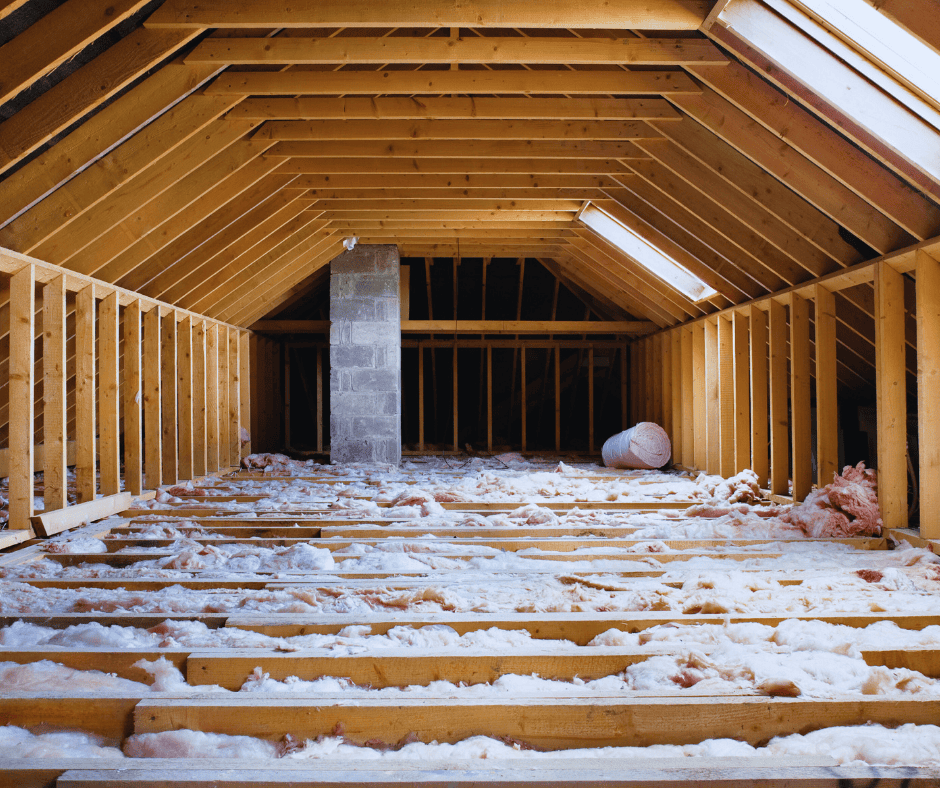
There is a simple test that answers whether this work is worth it for a specific house. If the ducts run through conditioned space, meaning inside the heated envelope of the home, leaks are wasteful but the lost air at least stays somewhere useful. If the ducts run through an unconditioned attic, crawlspace, or garage, every leak dumps paid-for conditioned air into a space nobody lives in.

That distinction is why duct work jumps to the top of the priority list in homes with attic ductwork, which describes a great many Eugene homes built from the 1950s through the 1980s. It is also why the federal guidance recommends placing ducts inside conditioned space where possible and insulating them properly where that is not an option. For a homeowner whose ducts run overhead through a cold attic, air duct sealing Eugene OR contractors perform is rarely a marginal improvement.

Sealing and insulating are two different jobs

These get discussed together and are frequently confused, but they solve different problems and a complete scope addresses both.

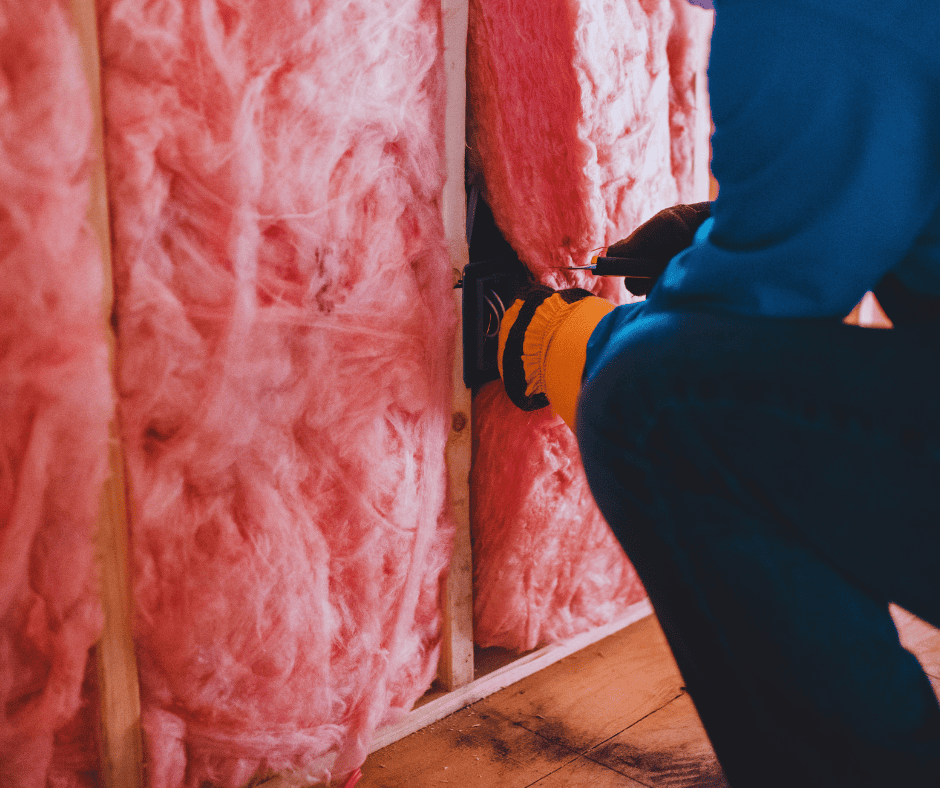
Sealing closes the gaps where air physically escapes, and those gaps are almost always at connections rather than in the middle of a straight run: joints, seams, takeoffs, and the boot connections where a duct meets a register. Proper sealing uses mastic sealant or foil-backed metal tape. Ordinary cloth duct tape is the classic mistake, since it degrades and releases in attic temperature swings, which is precisely why federal guidance recommends against it. Insulating is the separate matter of wrapping the duct so that conditioned air inside does not lose its heat to the cold attic air surrounding it. A duct can be perfectly airtight and still deliver lukewarm air if it is uninsulated or under-insulated. Any proposal for air duct sealing Eugene OR homeowners are comparing should describe both.

Knowing where the leaks concentrate also explains why access drives the price. The boot connections where ducts meet ceiling registers, the takeoffs branching off the main trunk, and the joints at the air handler are the usual offenders, and reaching them means working across joists in a tight space rather than standing at a workbench. Ducts buried under blown insulation or running through a cramped section of attic take longer to reach and seal properly, which is a legitimate reason two homes with similar systems can carry different quotes.

A Fifth to a Third of Your Conditioned Air May Never Arrive

ENERGY STAR estimates that in a typical house, roughly 20 to 30 percent of the air moving through the duct system is lost to leaks, holes, and poorly connected ducts. When those ducts run through an unconditioned attic, that air is being paid for and then delivered to a space nobody lives in.

Leaky Ducts Undo a High-Efficiency Furnace

ENERGY STAR notes that leaky ducts can reduce heating and cooling system efficiency by as much as 20 percent, which means a homeowner can own premium equipment and still operate it like a mediocre system because the delivery side is giving back what the equipment produced.

Code Sets the Insulation Level, Not Opinion

Under the International Energy Conservation Code, supply ducts three inches in diameter and larger located outside conditioned space are required to reach at least R-8, with returns generally R-6 or better. Older flexible ductwork often carries far less, and bare metal ductwork may have essentially none.

What R-8 means and why it matters here

Insulation levels for ductwork are set by code rather than opinion. Under the International Energy Conservation Code, supply ducts three inches in diameter and larger located outside conditioned space are required to reach at least R-8, with return ducts generally at R-6 or better. R-value measures resistance to heat flow, so a higher number means less heat lost through the duct wall.

Older ductwork frequently falls short. Flexible duct installed decades ago often carries thin insulation well below current standards, and bare metal ductwork may have essentially none. Insulation also gets damaged over time by foot traffic in the attic, by pests, or by getting compressed under stored boxes. Bringing that ductwork up to current levels is often a larger comfort improvement than homeowners expect, particularly for the rooms at the end of long duct runs. A thorough air duct sealing Eugene OR scope inspects the existing insulation rather than assuming it is adequate.

The symptoms that point at ducts

Duct problems produce a recognizable pattern, and recognizing it prevents a homeowner from blaming the wrong thing. The signals worth acting on are consistent:

  • Rooms that are noticeably warmer or cooler than others, especially at the far end of the duct runs.
  • Weak airflow at some registers while others blow strongly.
  • A system that runs almost continuously without reaching the thermostat setting.
  • Persistent dust that returns quickly after cleaning.
  • Heating bills climbing with no change in habits or equipment.

The dust point deserves a note. Leaky return ducts pull air from the attic rather than the house, which means attic dust, insulation particles, and whatever else is up there gets drawn into the system and distributed through the home. Sealing addresses that at the source, and ENERGY STAR identifies improved indoor air quality as one of the direct benefits of sealing ducts.

A safety consideration worth knowing

There is one benefit that has nothing to do with the utility bill. In homes with gas appliances such as a furnace, water heater, or clothes dryer, leaky ductwork can contribute to backdrafting, a condition where combustion gases including carbon monoxide are drawn back into the living space instead of venting outdoors. ENERGY STAR identifies sealing leaks as a way to reduce that risk.

This is a reason to have duct work evaluated by a professional rather than treated as a weekend project, since changes to a home's air pressure balance can affect how combustion appliances vent. Homeowners with gas appliances and working carbon monoxide alarms are in reasonable shape, and anyone who suspects a venting problem should have it looked at promptly. It is a genuine argument for professional air duct sealing Eugene OR homeowners can rely on rather than a scare tactic.

What it costs and what it returns

Professional duct sealing commonly runs in the range of several hundred to a few thousand dollars depending on system size, how accessible the ductwork is, and how much insulation work comes with it, and those are typical planning ranges rather than a quote. Adding duct insulation to bring runs up to current levels is a separate line item and moves the total.

The return side is where the case gets made. Recovering a portion of the 20 to 30 percent of air currently being lost, across an eight month heating season, adds up in a way that a one-time repair does not. Equipment also benefits, since a system that no longer has to compensate for delivery losses runs shorter cycles, which reduces wear. And unlike many efficiency upgrades, the comfort change is immediate and obvious: the cold back bedroom stops being the cold back bedroom.

That immediacy is worth weighing against alternatives. Many envelope improvements pay back quietly over years, showing up only as a slightly smaller bill that is easy to attribute to a mild winter. Duct work is different, because the delivery problem it fixes is one the household has been living with in a specific room, on a specific floor, for years. Homeowners who invest in air duct sealing Eugene OR crews perform tend to notice the result within the first cold week rather than the first billing cycle.

Why the attic contractor is the right one to ask

Ductwork in an attic sits in the middle of a system, not off by itself, and treating it in isolation produces incomplete results. The same attic that holds the ducts also has a ceiling plane leaking household air upward, insulation that may be thin or damaged, and ventilation that may or may not be moving moisture out. Sealing ducts while ignoring an unsealed ceiling captures part of the available savings and leaves the rest.

That is the practical reason these services get bundled. Klaus handles duct sealing and duct insulation alongside attic air sealing and attic insulation, using cellulose, Foamax polyiso rigid foam, or spray foam depending on what the space calls for, and evaluates ventilation and roof deck condition in the same visit. Bundling also tends to cost less than separate mobilizations, since crews are already on site and set up. A combined assessment produces an air duct sealing Eugene OR proposal that fits into a whole attic plan rather than sitting beside one.

When it is not the first thing to fix

An honest answer includes the cases where something else comes first. If the ducts run entirely within conditioned space, the payoff shrinks considerably and the budget is usually better spent on the attic floor and ceiling plane. If there is an active roof leak, standing moisture, or mold in the attic, that gets resolved before anyone invests in the delivery system. And if the attic insulation is badly deficient, sealing ducts alone will disappoint, because the larger loss is happening through the ceiling rather than through the ductwork.

The sequence matters in one more case. A homeowner planning to replace a furnace or heat pump should address duct leakage and envelope losses before the new equipment is sized, since sizing to a leaky system locks in more capacity than the improved house will need for the next fifteen years.

One incentive that no longer applies

Outdated information circulates on this topic, so it is worth stating plainly. The federal 25C Energy Efficient Home Improvement Credit expired on December 31, 2025 and is not available for 2026 work, so no proposal should present a federal credit as offsetting the cost of duct or insulation work. Any contractor still building a case around it is working from stale material. Financing is a separate and legitimate option, and Klaus offers flexible financing so a project can be spread out rather than paid at once.

Getting an assessment

The practical move is to have someone go into the attic and look, since duct condition cannot be judged from inside the house. A real assessment traces the runs, checks the connections where leaks concentrate, measures existing insulation against current levels, and evaluates the ceiling plane and attic ventilation at the same time, then produces a written scope and written pricing.

Klaus Roofing Systems of Oregon is a family-owned, locally operated contractor licensed in Oregon under Contractor ID 231578, working from 3922 W 1st Ave in Eugene's 97402 and serving homeowners across Eugene, Springfield, Cottage Grove, Salem, Albany, Corvallis, Portland, and the surrounding Willamette Valley. The company is an authorized Klaus Roofing Systems dealer and an authorized Attic Systems dealer, runs OSHA-compliant crews, assigns an on-site project manager to every job, protects floors and finishes during the work, and holds the 2022 BBB Torch Award for Ethics and the 2023 Angi Super Service Award. Homeowners who want a straight answer on whether air duct sealing Eugene OR conditions make worthwhile for their home can call Klaus Roofing Systems of Oregon at 541-275-2202 for a free in-person attic and ductwork assessment.

Redirect to:


Redirect to:


It depends on where the ducts run. If they pass through an unconditioned attic, crawlspace, or garage, it usually is, because every leak dumps paid-for conditioned air into a space nobody lives in. ENERGY STAR estimates that in a typical house roughly 20 to 30 percent of the air moving through the duct system is lost to leaks, holes, and poorly connected ducts, and that leaky ducts can cut heating and cooling efficiency by as much as 20 percent. If the ducts run entirely inside the heated envelope, the payoff is smaller and the budget is usually better spent on the attic floor and ceiling plane.
A: They solve different problems and a complete job covers both. Sealing closes the gaps where air physically escapes, which are almost always at connections rather than in the middle of a straight run, using mastic sealant or foil-backed metal tape. Insulation wraps the duct so conditioned air inside does not lose its heat to the cold attic surrounding it. A duct can be perfectly airtight and still deliver lukewarm air if it is uninsulated. Under the International Energy Conservation Code, supply ducts three inches and larger outside conditioned space should reach at least R-8.
Not effectively, and the name is misleading. Federal guidance specifically recommends mastic sealant or metal tape rather than cloth duct tape, which degrades and releases under attic temperature swings. There is also a safety dimension worth knowing: in homes with gas appliances, leaky ductwork can contribute to backdrafting, where combustion gases including carbon monoxide are drawn back into the living space rather than venting outdoors. Because duct work affects a home's air pressure balance, professional evaluation is the safer route.

Check our other pages :